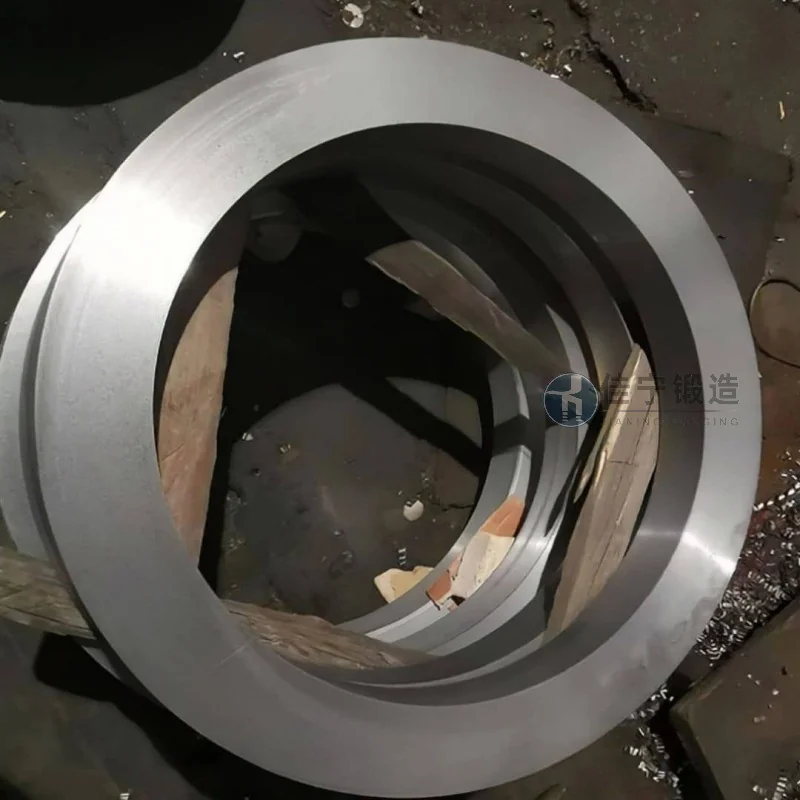
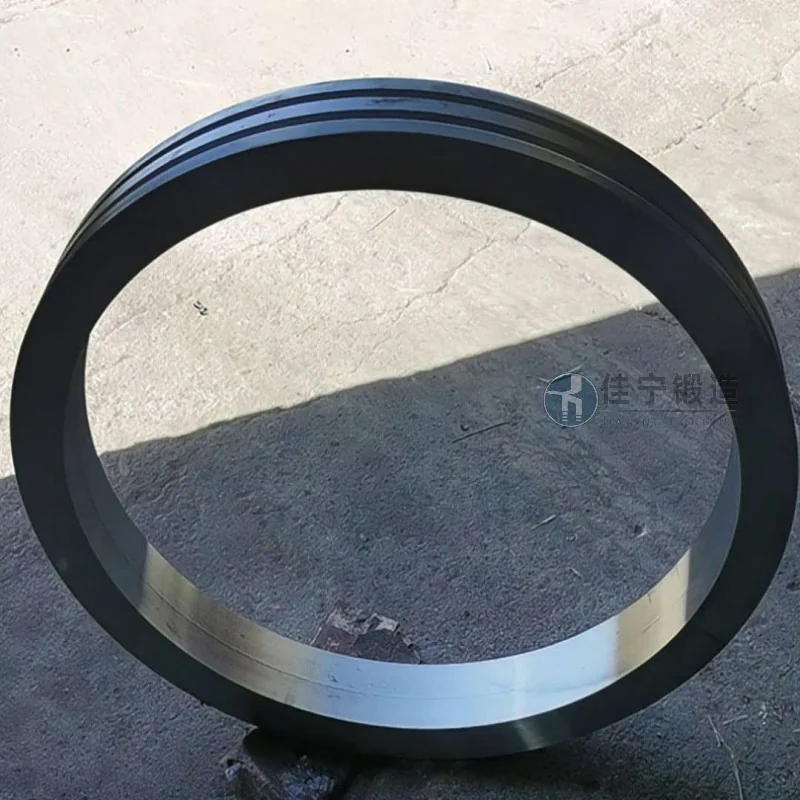
Shanxi Jianing Forging provides customized processing of lightweight aluminum alloy forgings and aluminum flanges. The on-site aluminum alloy forging project cases are complete, with products that are lightweight and meet strength standards, compatible with new energy and lightweight equipment.
This case focuses on a metallurgical machinery factory in Yuxi, Yunnan. The company has long been engaged in the production and processing of alloy steel forgings and has accumulated general industry experience. However, faced with growing market demand and strict quality requirements, the plant encountered challenges in forging performance stability, production efficiency, and cost control. With deep technical expertise and a mature process system, Jianing Forging provides targeted alloy steel forging solutions, improving the overall competitiveness of its products.
Customer pain points
Customers mainly face the following issues during the production of alloy steel forgings:
Insufficient performance consistency: Mechanical indicators such as hardness, strength, and toughness fluctuate significantly across different batches, affecting assembly accuracy and increasing the failure rate of end products.
Poor adaptability to high-temperature conditions: metallurgical machinery often operates in high-temperature environments, and after long-term heating, the original forgings experience structural softening and creep, resulting in a service life far below expectations.
Large machining allowance and material waste: The forging process design is rough, resulting in excessive subsequent machining volume, which not only increases process time but also causes additional loss of raw materials and tools.
Difficulty in controlling inclusions: Alloy steel tends to generate non-metallic inclusions during smelting and forging, affecting the fatigue life and sealing performance of forgings, especially posing risks in key load-bearing components.
Product advantages
To address these pain points, Jianing Forging offers a comprehensive optimization solution from material source to finished product delivery:
Relatively precise composition optimization: By adjusting the proportions of alloying elements such as Cr, Mo, and V, and adopting off-furnace refining and vacuum degassing processes, the content of gases and inclusions is reduced, making the internal structure of the forging more uniform and dense.
Multi-directional forging technology: Uses a three-way forging process to reasonably distribute metal flow lines along the force direction, eliminating anisotropy and improving high-temperature creep resistance and fatigue resistance.
Efficient temperature-controlled forging: Uses a closed-loop temperature control system to accurately control heating and final forging temperatures, reducing the thickness of the oxidized decarburized layer and keeping subsequent machining allowances within a reasonable range.
Full-process non-destructive testing: Introducing ultrasonic phased array and magnetic particle inspection technologies to screen internal defects for each forging, helping deliver products that meet factory standards and reducing usage risks.
Through these measures, the batch pass rate of customers' forgings has increased to over 98%, service life has been extended by about 30%, single-piece machining time shortened by 15%, and overall manufacturing costs have decreased by about 12%. Jianing Forging will continue to provide reliable and stable alloy steel forgings for the metallurgical machinery industry.
Need forgings of the same specifications or modified shapes?
Send us the drawings or specifications, and the engineer will provide material suggestions, process plans, and delivery commitments. You can also leave a message directly in the left sidebar.
Call back within 30 minutes of work, urgent orders can be scheduled on the same shift
Free evaluation of drawings/specifications, provision of material and workmanship solutions
You can also click 'Customer Message' to submit your request, and we will proactively contact you