Shanxi Jianing Forging can process 304, 304L, 316, 316L stainless steel forgings, with a complete range of real-world cases of stainless steel flanges, shafts, and ring forgings, offering excellent corrosion resistance and suitable for chemical and seawater corrosion protection conditions.
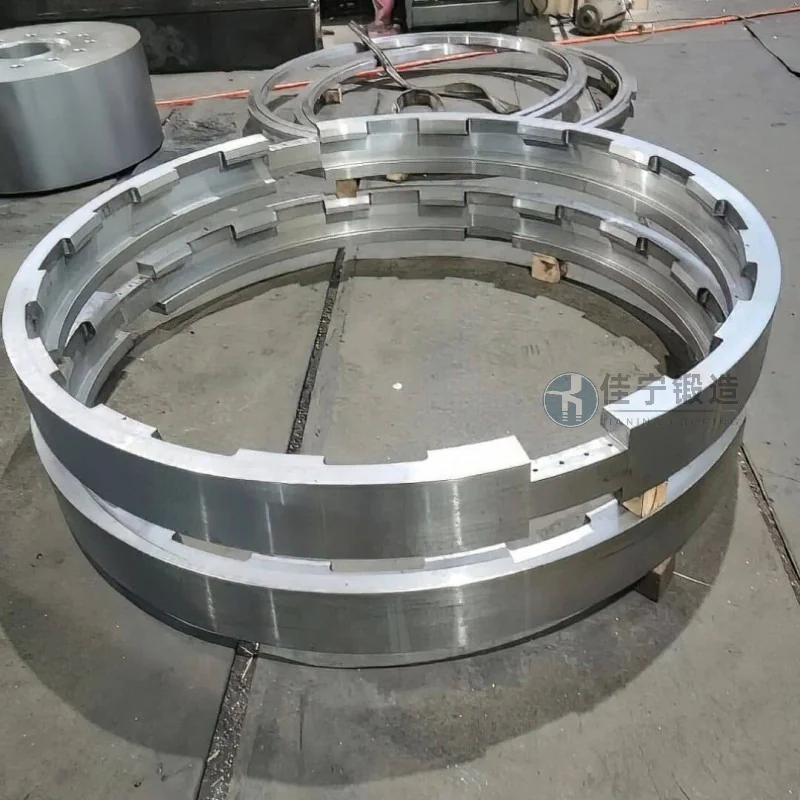
A chemical machinery factory in Mianyang, Sichuan, needed a batch of high-performance stainless steel forgings to produce key equipment components. This forging is used in environments with high temperature, high pressure, and corrosive media, placing high demands on the material's corrosion resistance, mechanical strength, and dimensional accuracy. After receiving this batch of orders, Jianing Forging successfully completed the supply tasks through strict process control and quality support systems.
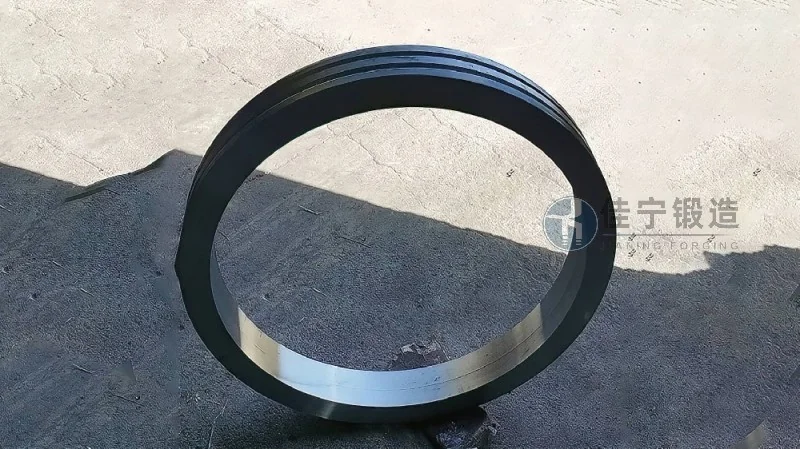
During preliminary research, the machinery factory found that ordinary stainless steel forgings are prone to intergranular corrosion, fatigue cracks, and surface defects after long-term operation, leading to high maintenance frequency and increased maintenance costs. Additionally, due to the complex shapes and large wall thickness differences of forgings, uneven microstructures or dimensional errors can easily occur during processing, affecting subsequent welding and assembly efficiency. Customers urgently need reliable forgings that can balance corrosion resistance, good toughness, and machining adaptability.
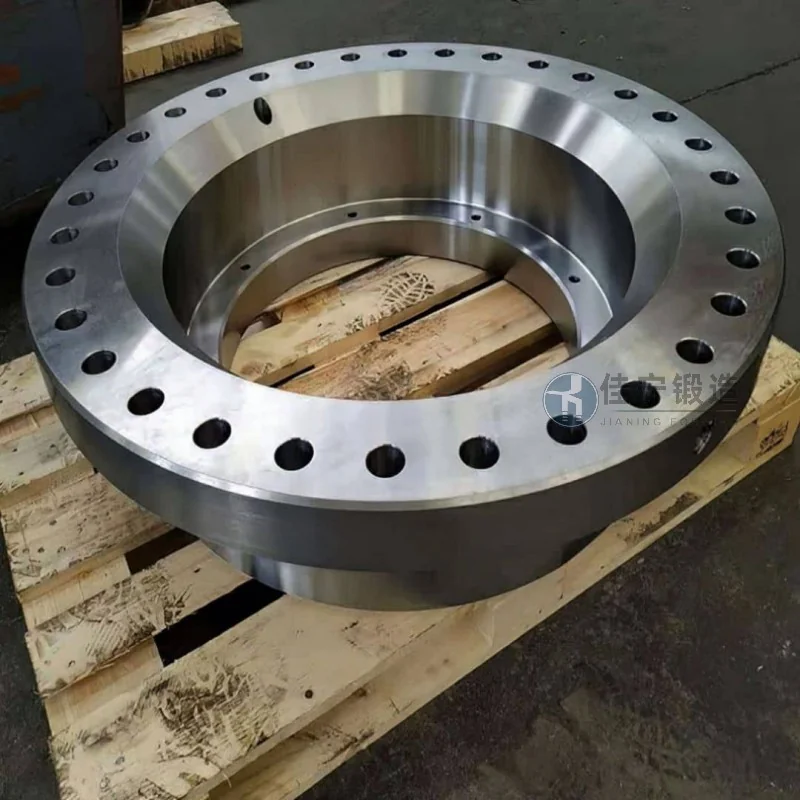
To address customer pain points, Jianing Forging has chosen stable and mature stainless steel grades for material selection, optimized forging heating temperature and deformation processes, and combined multi-heat forging with fine heat treatment, effectively eliminating microstructural defects such as coarse and mixed crystals. By using computer numerical simulation to assist process design, the flow distribution of the forging billet is controlled, enabling the forging to achieve good comprehensive mechanical properties in key stress directions. Before leaving the factory, every product undergoes ultrasonic flaw detection, penetrant testing, and chemical composition verification according to standards, helping to eliminate internal defects and surface cracks, and helping customers reduce risks and maintenance costs during subsequent use.