Shanxi Jianing Forging provides customized processing of lightweight aluminum alloy forgings and aluminum flanges. The on-site aluminum alloy forging project cases are complete, with products that are lightweight and meet strength standards, compatible with new energy and lightweight equipment.
In the field of transmission equipment manufacturing, the material properties of core components directly determine the service life and operational stability of the equipment. Drawing on years of industry experience, Jianing Forging provided a customized alloy steel forging solution for a transmission equipment factory in Putian, Fujian, helping it produce more reliable and durable products.
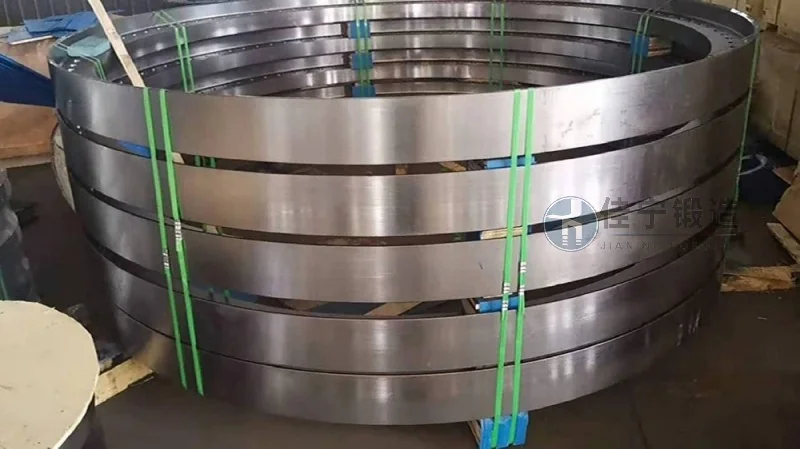
This transmission equipment factory has long produced key components such as reducers and couplings, with strict requirements for the strength, toughness, and structural uniformity of the forgings. After receiving its alloy steel forging orders, Jianing Forging follows customer technical specifications from raw material selection, forging process design, to heat treatment control, ensuring that every batch meets assembly and usage standards.
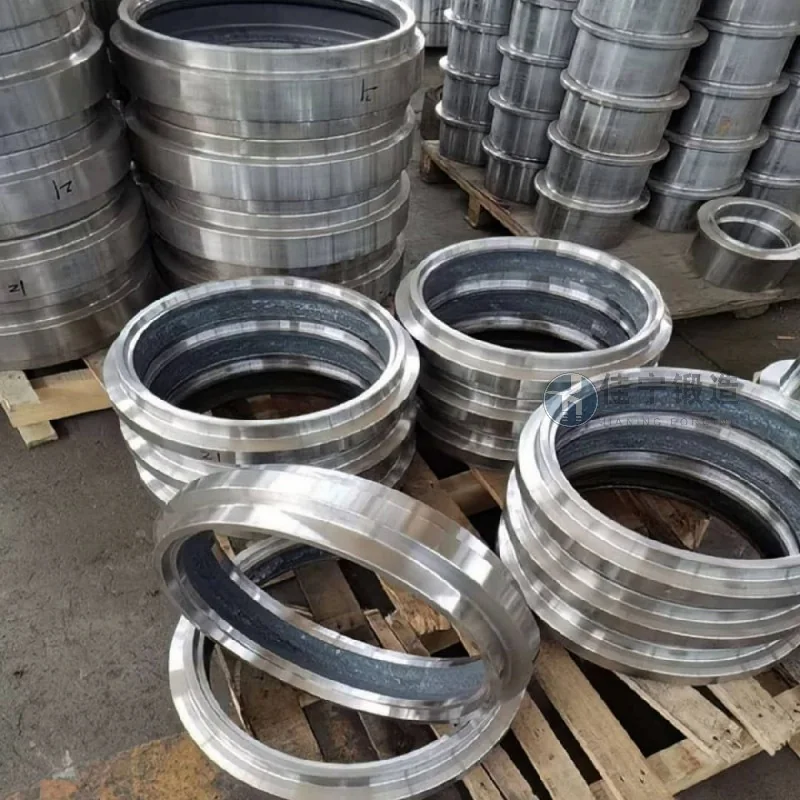
Customers often encounter the following issues when using traditional forgings: segregation or microcracks inside the material, resulting in a high scrap rate after machining; The hardness of the forging fluctuates greatly, making subsequent quenching and tempering difficult to control stably; Supplier delivery cycles are long, affecting the assembly schedule of complete machines. These pain points not only increase manufacturing costs but also limit capacity growth.
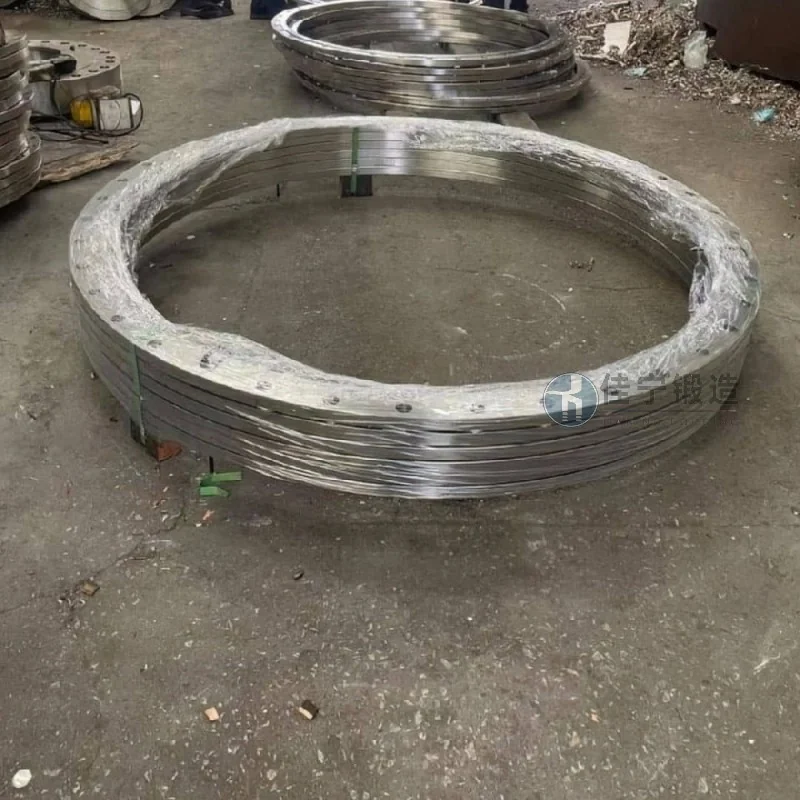
To address these pain points, Jianing Forging offers a systematic solution: using carefully selected high-quality alloy steel ingots, using multi-directional forging processes to eliminate internal defects and make the structure denser; Combined with more accurate preheating and temperature control technologies, hardness deviation is kept within a small range; At the same time, production scheduling plans have been optimized, reducing the standard delivery cycle to about 70% of the industry's usual level. Ultimately, customers reported that the forging processing yield increased by more than 12% compared to before, and the smooth operation of the transmission equipment after assembly was significantly improved.