Shanxi Jianing Forging can process 304, 304L, 316, 316L stainless steel forgings, with a complete range of real-world cases of stainless steel flanges, shafts, and ring forgings, offering excellent corrosion resistance and suitable for chemical and seawater corrosion protection conditions.
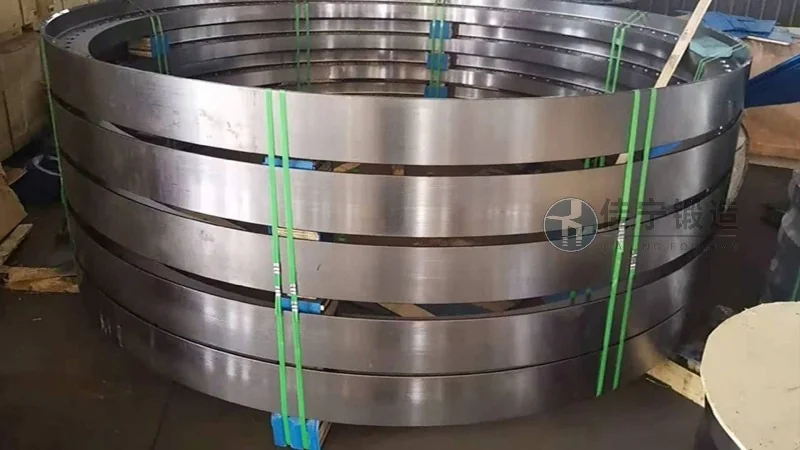
A food equipment factory in Zhengzhou, Henan, mainly engages in the research and production of food processing machinery, with its core component—stainless steel forgings—long dependent on external procurement. Due to the strict requirements for corrosion resistance, structural strength, and hygiene standards for food equipment, the plant urgently needed to find stable forging suppliers to help ensure continuous operation of the equipment in food processing environments characterized by high temperature, high humidity, and alternating acid-base conditions.
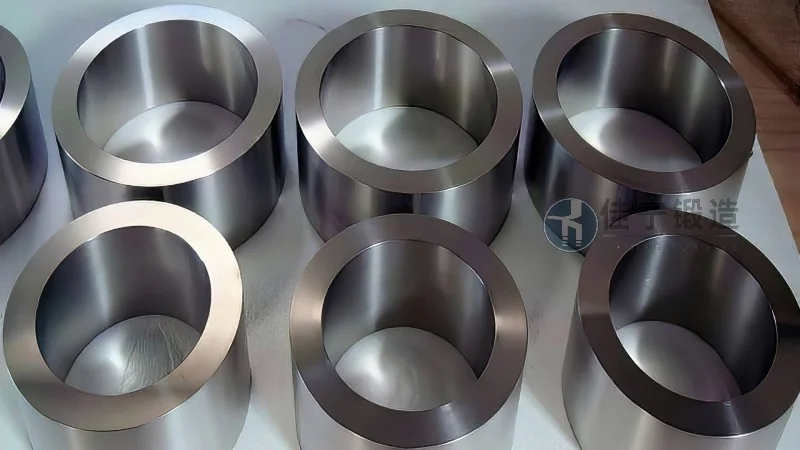
This food equipment factory faced multiple challenges during production: first, the material composition of products provided by the original forging supplier was unstable, causing some parts to develop pitting and rust spots after contact with acidic foods; Second, microcracks and uneven microstructure inside the forging, affecting the service life of pressure-bearing components; Third, delivery cycles are often delayed, disrupting equipment assembly plans. In addition, the plant has clear requirements for the surface roughness of forgings, which must meet food-grade smooth standards, but many suppliers have previously struggled to consistently meet these standards.
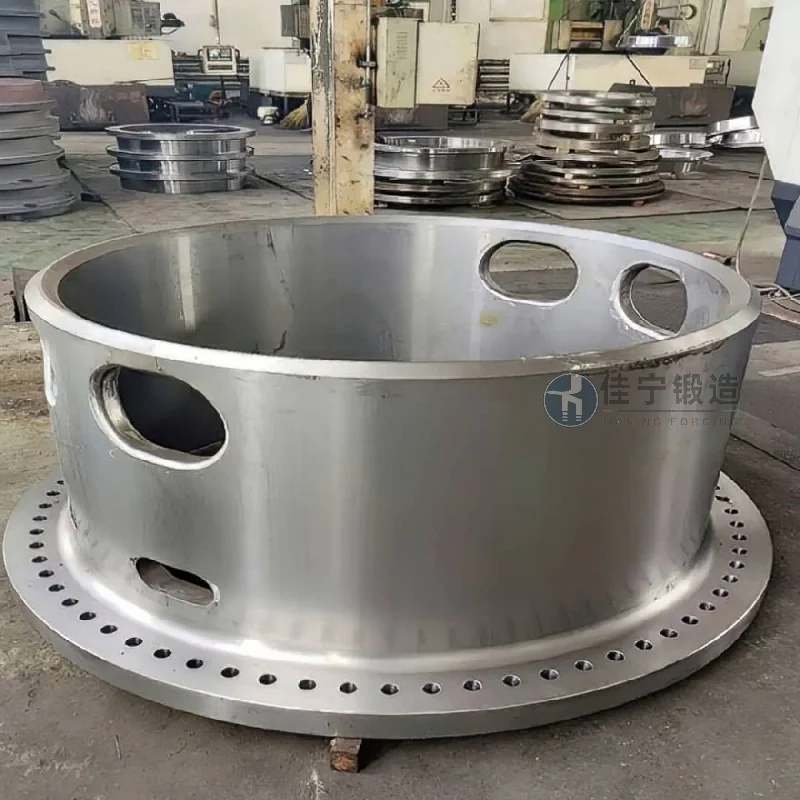
To address these pain points, Jianing Forging offers a systematic solution. In terms of materials, we strictly select 304/316L stainless steel billlets that meet corrosion resistance requirements for food equipment. Each batch comes with a material certificate to ensure chemical composition stability from the source. In the forging stage, multi-directional rolling and temperature-controlled forging processes are used to eliminate internal looseness and segregation, resulting in a dense and uniform microstructure. Subsequently, solution and stabilization heat treatment are performed to improve intergranular corrosion resistance. During the finishing stage, CNC turning and fine grinding are used to stabilize surface roughness at Ra≤0.8μm, meeting hygiene standards for food contact surfaces. At the same time, the company has established an 18-step inspection process, including ultrasonic flaw detection and hardness testing, ensuring that every forging has no internal defects. After three months of batch validation, the food equipment factory's component failure and return rate dropped by about 70%, the equipment life cycle was extended by about 30%, and the on-time delivery rate exceeded 98%.