Shanxi Jianing Forging can process large-diameter pressure vessel shell forgings made of carbon steel, stainless steel, and alloy steel. The station has a wealth of real-world cases of cylinder forging, fully demonstrating the forging capabilities of large-size cylinders and the corrosion-resistant results of finished products.
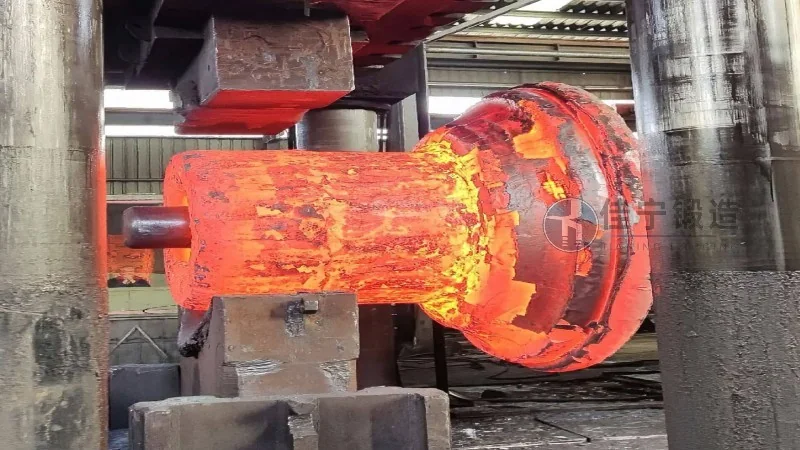
A mining parts factory in Fangshan, Beijing, has long been engaged in the production and maintenance of mining machinery parts. One of its core components—the performance of large cylinder forgings—directly affects the stability and efficiency of equipment operation. Before cooperating with Jianing Forging, the plant tried multiple suppliers but was unable to find a partner that met the requirements for strength, dimensional consistency, and delivery cycles. Drawing on years of experience in the large forging field, Jianing Forging provided the factory with customized cylindrical forging solutions, effectively supporting its equipment upgrades and capacity enhancement needs.
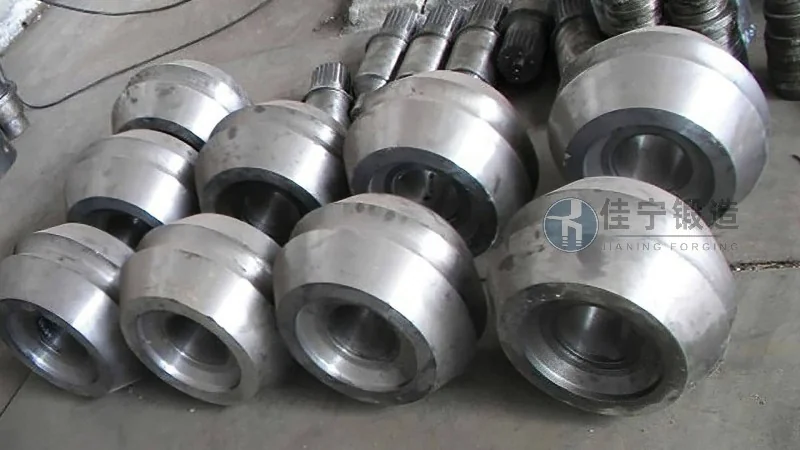
In actual use, the mine parts factory found that the original tube forgings frequently encountered the following problems under high underground load and high-impact conditions: First, insufficient material strength caused local deformation or even cracking of the shell wall, seriously affecting equipment service life; Second, the internal structure is uneven after forging, with hidden defects such as microcracks that gradually expand during service and cause sudden fractures, posing safety hazards; Third, unstable control of machining allowances, requiring repeated adjustments during subsequent machining, which extends the overall assembly cycle; Fourth, supplier delivery cycles fluctuate greatly, unable to match the production schedules of mining parts factories, often causing complete machine downtime and waiting for materials due to missing parts. These pain points made the plant urgently need a forging supplier with stable process capabilities and timely response.
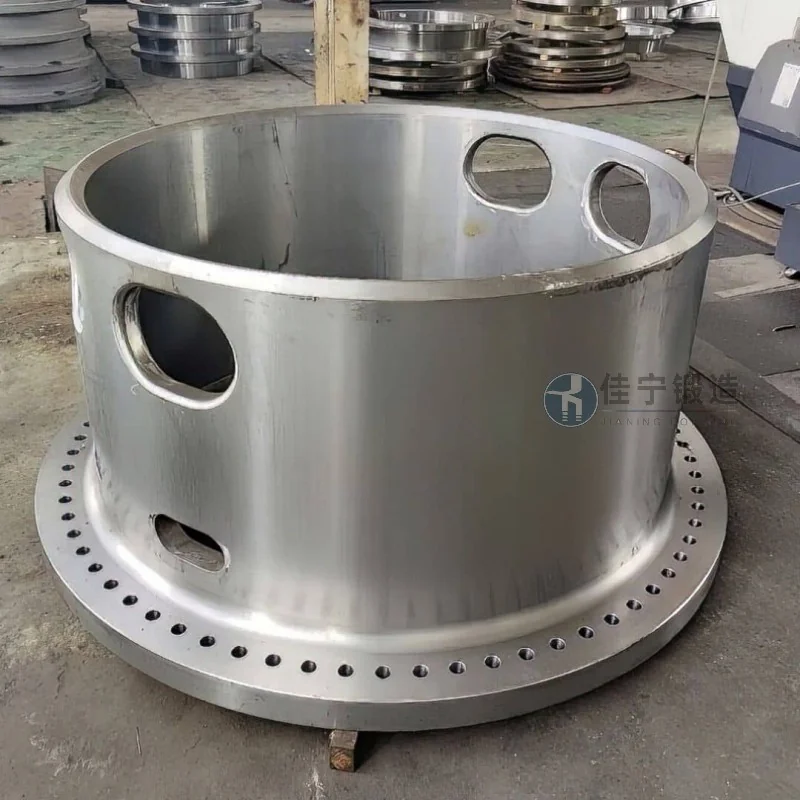
To address customer pain points, Jianing Forging has implemented a systematic solution covering material selection, forging processes, heat treatment control, and finished product inspection: on the material side, high-quality alloy structural steel is selected after external refining, with chemical composition fluctuations controlled within a narrow range, helping to ensure matrix purity and composition consistency; In the forging stage, multi-directional forging technology combined with a relatively accurate temperature control system effectively eliminates structural defects in the cast, allowing metal flow lines to be reasonably distributed along the cylinder's axis, thereby improving impact toughness and fatigue life; In terms of heat treatment, differentiated quenching and tempering processes are formulated based on the wall thickness of the forging, which helps smooth the hardness gradient from surface to core and prevents hardening cracks; On the delivery side, by optimizing mold design and production scheduling, conventional delivery cycles have been compressed by nearly 30%, and urgent order channels are provided to support customers' production continuity. Since the cooperation began, the factory's barrel forging repair rate has dropped by more than half, equipment downtime has been cut by over 40%, and overall operating costs have been effectively controlled.