Shanxi Jianing Forging can process large-diameter pressure vessel shell forgings made of carbon steel, stainless steel, and alloy steel. The station has a wealth of real-world cases of cylinder forging, fully demonstrating the forging capabilities of large-size cylinders and the corrosion-resistant results of finished products.
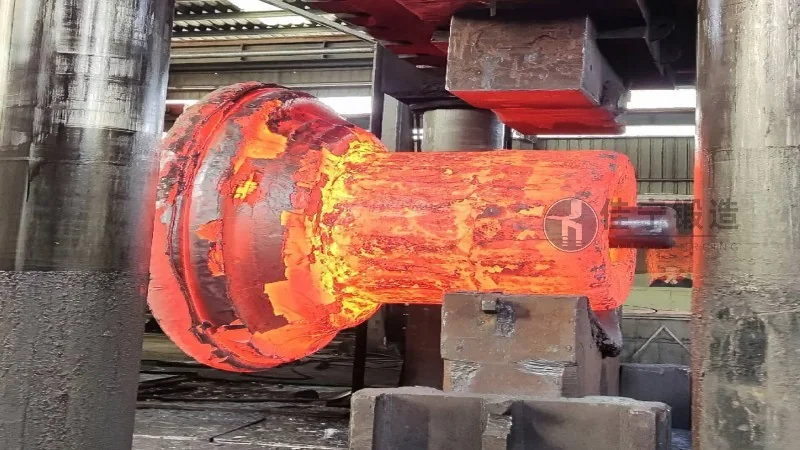
A wind power equipment factory in Zhangjiakou, Hebei, has set strict technical requirements for tube forgings in the manufacturing of key components for large wind turbines. This plant is an important supplier of wind power equipment in the region. Its shell forgings serve as the core load-bearing components connecting the hub and tower, directly affecting the operation safety and service life of the entire turbine. In this collaboration, Jianing Forging, leveraging its deep understanding of wind power industry process standards, provided a suitable tube forging solution for the project.
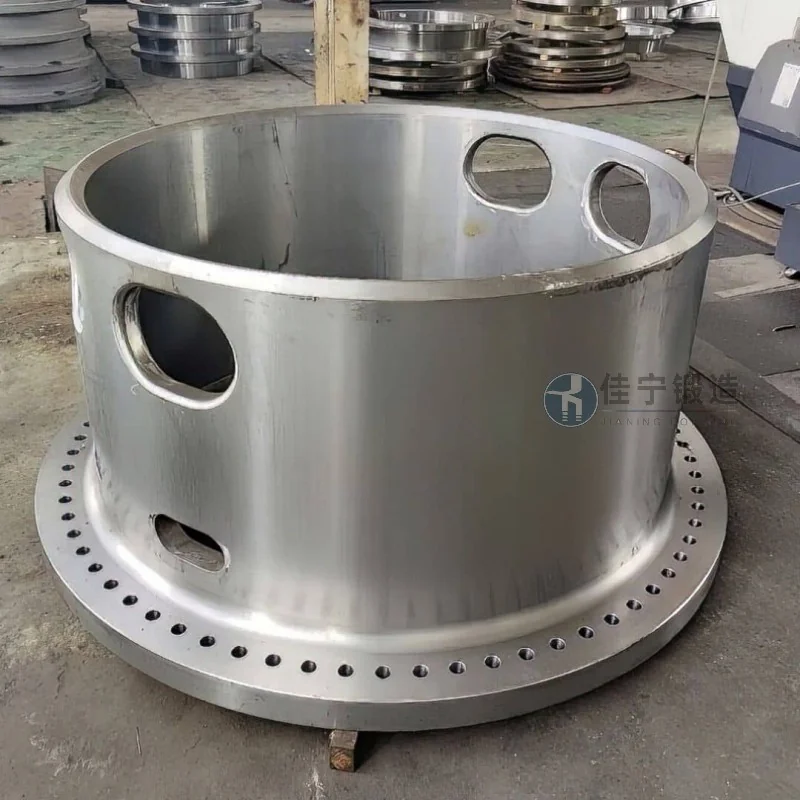
The main pain points faced by customers focused on three aspects: First, the cylinder forgings needed to meet high fatigue and impact resistance to adapt to the complex wind conditions and low temperature conditions in the Zhangjiakou area; Second, dimensional accuracy requirements are extremely high, with some key fit tolerances controlled within 0.1 millimeters; Third, delivery cycles are tight, requiring suppliers to have integrated production capabilities from raw materials to finished products to avoid quality and time loss caused by multiple outsourcing sessions. Existing suppliers struggled to consistently meet standards for internal organizational density and batch consistency of forgings, restricting the overall reliability of the equipment.
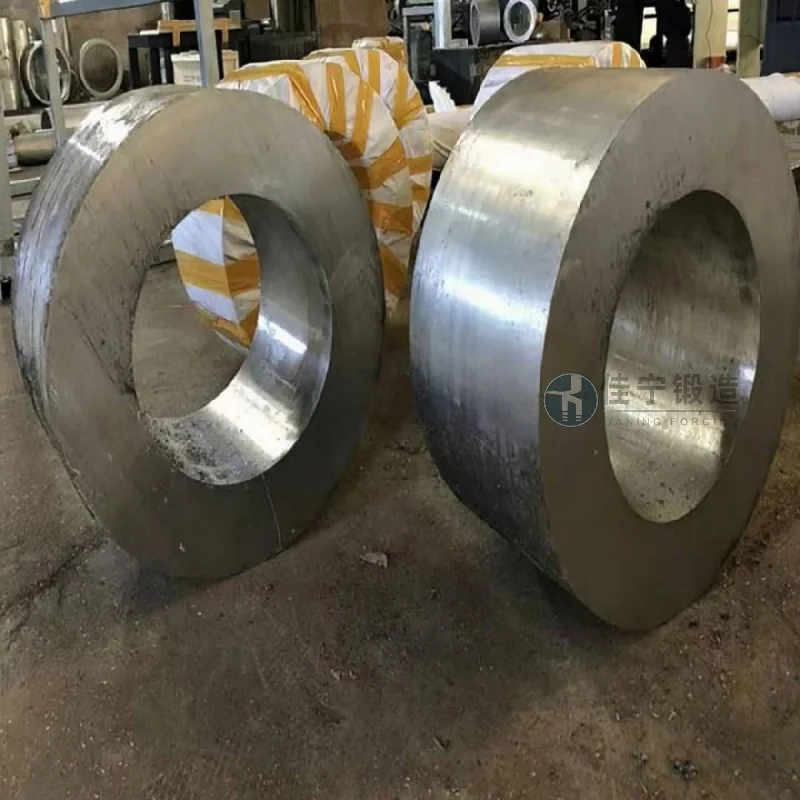
To address these pain points, Jianing Forging has systematically optimized everything from material selection and process design to quality control. On the material side, customized low-alloy steels with relatively high strength are selected. Through strict chemical composition control and improved purity, these strengths help meet the standard for low-temperature impact toughness. In the forging process, multi-directional forging and temperature-controlled speed technology are used to ensure continuous distribution of metal streamlines, eliminating internal defects and improving the isotropy of the forging's mechanical properties. In the dimensional accuracy stage, the introduction of CNC machining and online inspection linkage helps ensure stable and qualified parallelism of the inner hole, outer diameter, and end face of the barrel forging. The delivered barrel forgings achieved tensile strength, yield ratio, and elongation levels at the upper limits of the customer's technical agreement in third-party testing, with minimal fluctuations between batches, effectively shortening the customer's subsequent assembly time. The overall project schedule was completed two weeks ahead of schedule, earning high recognition from the on-site acceptance team.