Shanxi Jianing Forging has gathered real-world cases of wind power flange rings, ring gears, bearing rings, roller rings, and other ring landings, with a complete range of finished forging products for carbon steel, stainless steel, and alloy rings, providing reference for product selection and non-standard solutions.
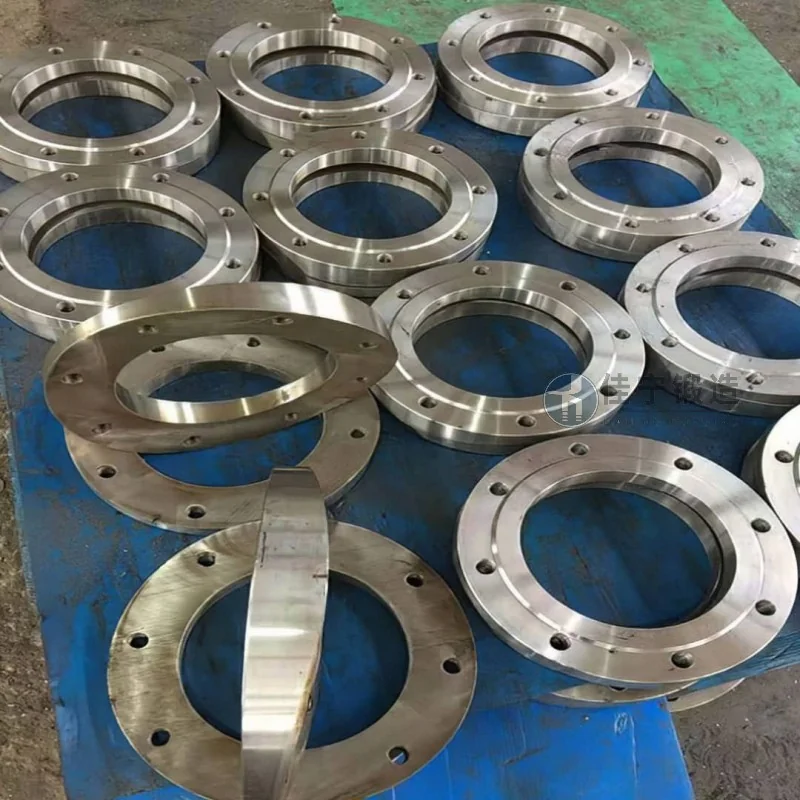
A construction machinery factory in Nantong, Jiangsu, has long relied on traditional open-die forging processes for producing key load-bearing components, making it difficult to meet the growing demand for efficiency and quality stability. Jianing Forging provides a customized ring roller solution tailored to the application scenario of the plant's ring forgings, helping them achieve process upgrades and capacity breakthroughs.
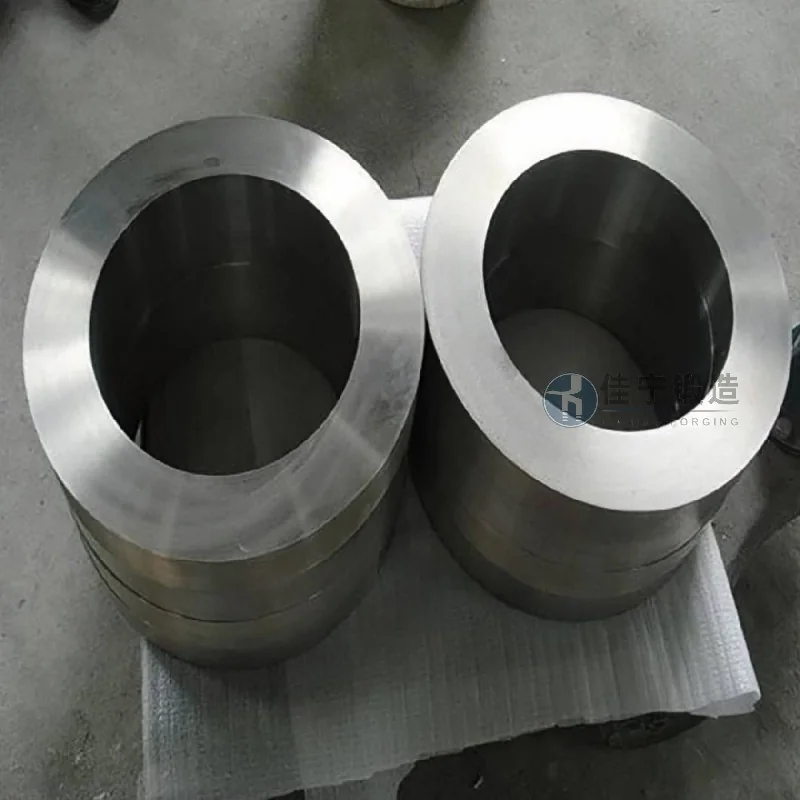
The factory's original process had the following prominent issues: First, large dimensional deviations between the inner and outer diameters of forgings, excessive machining allowance, and serious material waste; 2. Insufficient internal tissue density, with a flaw detection pass rate of only about 85% and a persistently high defect rate; 3. The production cycle for a single piece can take up to 4 days, making it impossible to match the assembly line cycle times; 4. Performance fluctuations between different batches of forgings are significant, directly affecting overall machine reliability.
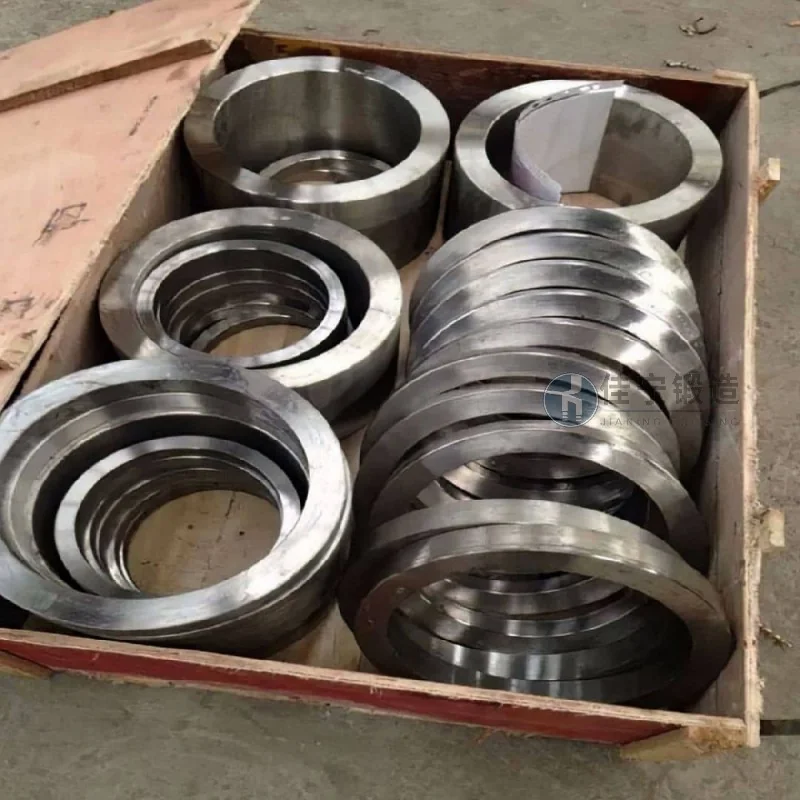
Jianing Forging has introduced fine ring rolling technology, controlling the entire process from blank design to final forging: using multi-pass variable cross-section rolling to keep diameter tolerances within ±1.5mm, reducing machining allowances; By optimizing heating temperature and deformation rate, grain size is stabilized above grade 6, and the flaw detection pass rate is increased to over 98%; At the same time, by utilizing a mold-based continuous production model, the single-piece cycle is compressed to 8 hours, achieving consistent performance across the same batch. In the end, the comprehensive cost of the factory's ring forgings products decreased by 22%, and the customer's on-site installation failure rate dropped by 60%.