Shanxi Jianing Forging can process 304, 304L, 316, 316L stainless steel forgings, with a complete range of real-world cases of stainless steel flanges, shafts, and ring forgings, offering excellent corrosion resistance and suitable for chemical and seawater corrosion protection conditions.
In the field of marine engineering equipment, seawater equipment components have strict requirements for material performance. A seawater equipment parts factory located in Yichang, Hubei, has long been dedicated to producing high-quality seawater desalination, ship, and offshore platform supporting components. To meet the core components' requirements for corrosion resistance, compressive strength, and precision, the factory selects stainless steel forgings as the base material for key components. Through rigorous forging processes and quality control, the plant not only improves the long-term operational stability of its equipment but also effectively reduces maintenance costs, providing reliable product support for the marine engineering sector.
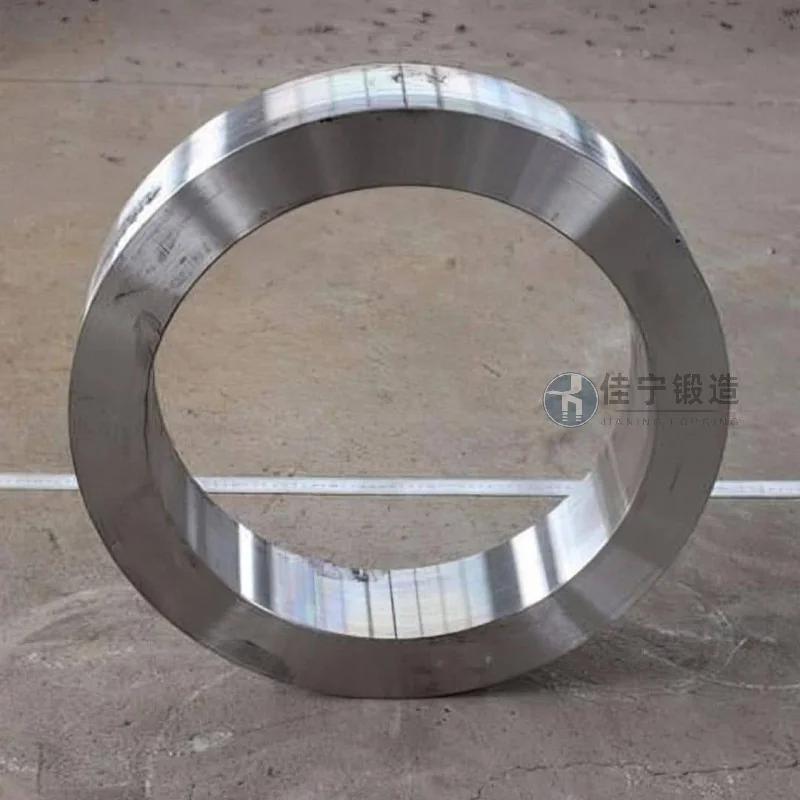
Seawater equipment accessories are exposed to corrosive environments of high salt spray, high humidity, and high pressure for extended periods. Ordinary stainless steel materials are prone to intergranular corrosion, pitting, and stress corrosion cracking, which shortens component lifespan and requires frequent maintenance. At the same time, the accessories must withstand significant water pressure and mechanical impact, requiring high material microstructure, density, and mechanical properties. In addition, there are strict standards for dimensional accuracy and surface quality during assembly, making it difficult for conventional forging processes to balance production efficiency with finished product pass rates. The main pain points faced by customers include: insufficient corrosion resistance of materials, difficulty balancing the strength and toughness of forgings, large fluctuations in machining accuracy, and poor stability in batch delivery.
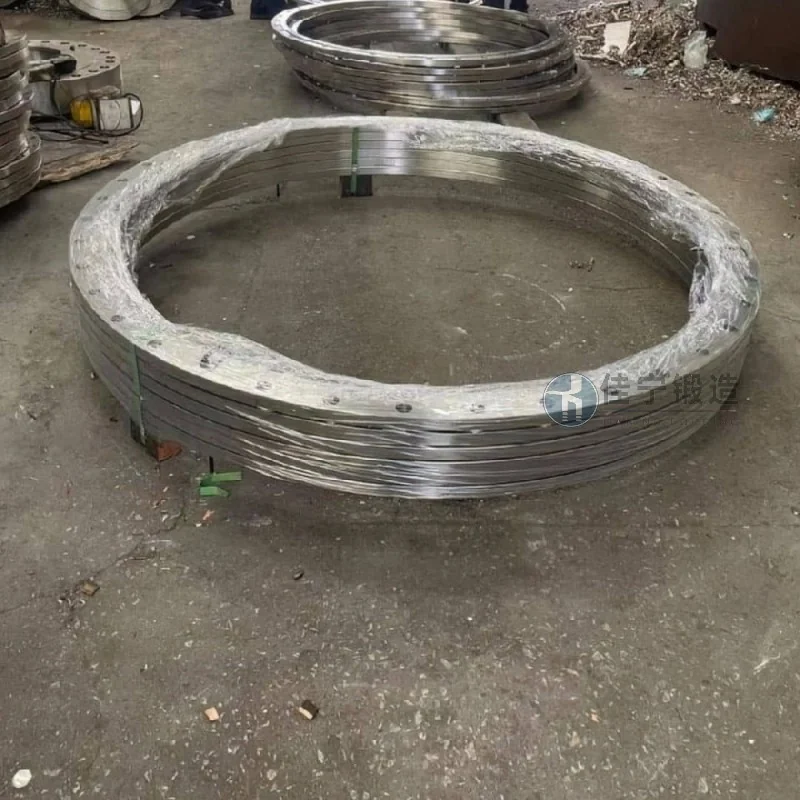
To address these pain points, the supporting stainless steel forging solution has been systematically optimized from raw materials and forging processes to subsequent heat treatment and machining. First, selecting high-quality stainless steel raw materials, through strict chemical composition control and pre-furnace analysis, helps ensure corrosion resistance meets seawater environmental requirements. Secondly, by adopting multi-directional forging and temperature-controlled forging technologies, defects such as internal loosening and segregation are eliminated while refining grains, resulting in a uniform and fine metallographic structure of the forging, which improves corrosion fatigue resistance. After forging, solution treatment and rapid cooling processes are used to stabilize the material's corrosion resistance and mechanical properties. In the post-processing stage, fine machining and surface finishing are introduced to control dimensional tolerances within reasonable ranges, ensuring surface roughness meets sealing requirements. Each batch of forgings undergoes non-destructive testing and mechanical property testing, ensuring product consistency and reliability. Through the above full-process control, we have improved customers' challenges in corrosion resistance, relatively high strength, high precision, and batch stability, providing solid support for the continuous operation of seawater equipment components.