Shanxi Jianing Forging can process large-diameter pressure vessel shell forgings made of carbon steel, stainless steel, and alloy steel. The station has a wealth of real-world cases of cylinder forging, fully demonstrating the forging capabilities of large-size cylinders and the corrosion-resistant results of finished products.
An automation equipment factory in Fuzhou, Jiangxi Province encountered multiple technical challenges in the application of tube forgings. The cylinder components produced by this equipment factory have high requirements for dimensional accuracy, internal structural uniformity, and fatigue resistance. However, traditional forging processes struggle to meet all these standards simultaneously, resulting in low product pass rates and extended delivery cycles. In addition, customers face issues such as insufficient material utilization and complex subsequent processing steps, urgently needing a more reliable tube forging solution.
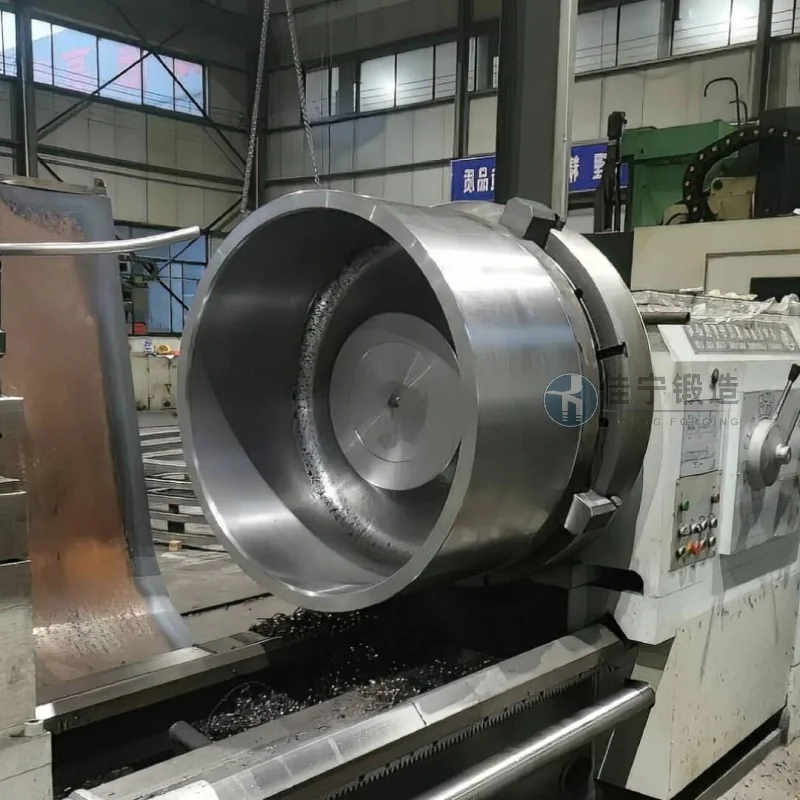
An automation equipment factory located in Fuzhou, Jiangxi, specializes in manufacturing core components of automated production lines. During the procurement of cylinder forgings, the factory has long been constrained by shortcomings in supplier forging process control, especially in the uniformity of wall thickness, end face parallelism, and surface quality of large cylinders. After multiple rounds of screening and evaluation, the plant ultimately chose to cooperate with a company with mature forging experience to address the above issues in a targeted manner.
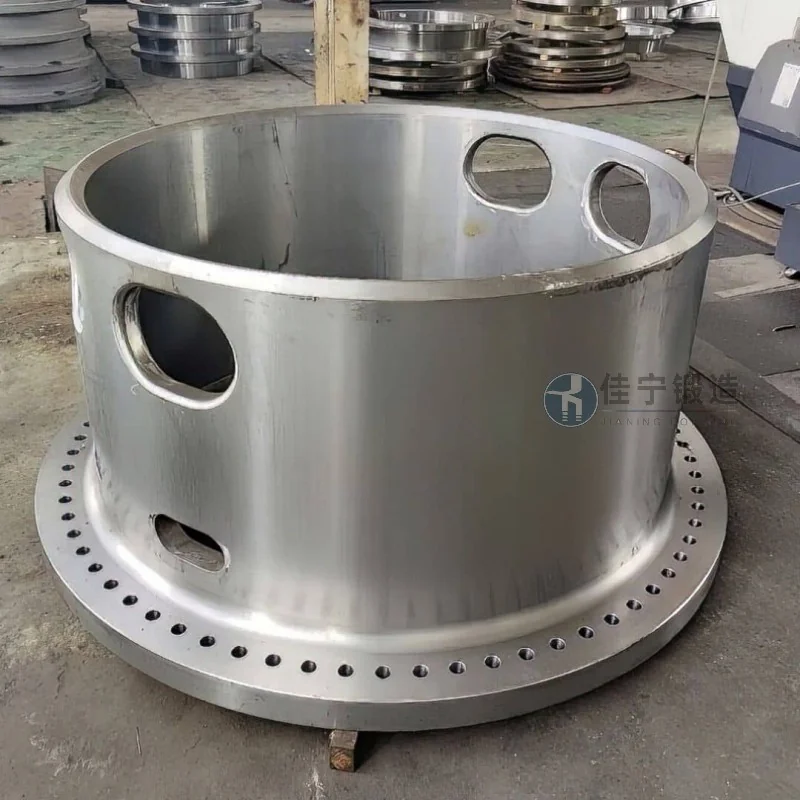
The main pain points of this customer focus on three aspects: First, the dimensional tolerances of the barrel forgings are difficult to stably control within the drawings, resulting in excessive machining allowances for subsequent machining, which increases material costs and processing time; Second, micro-defects such as looseness and segregation inside the forging, which affect the service life of the cylinder under high-pressure conditions; Third, suppliers' delivery cycles fluctuate greatly and lack flexible customized services, making it difficult to meet the rapid iteration needs of automation equipment manufacturers.
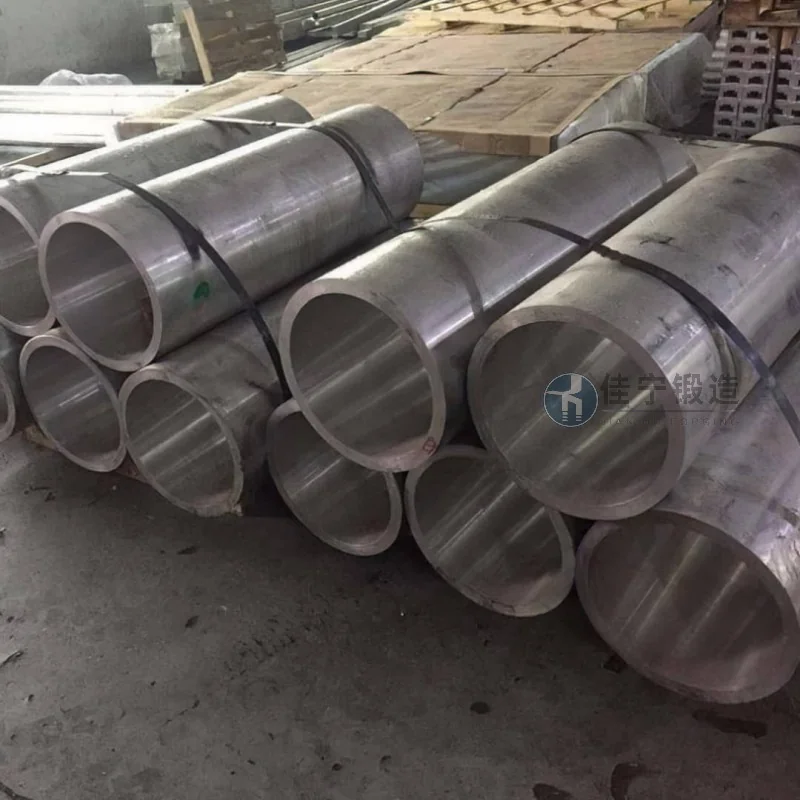
To address these pain points, the partner provided customized tube forging solutions. At the process level, by optimizing heating temperature and forging ratio, combined with multi-directional forging and preforming design, the distribution of metal streamlines is effectively improved, enhancing the density and structural uniformity of the forgings. In terms of quality control, we have introduced full-process non-destructive testing and online dimensional monitoring, ensuring that the critical dimensional accuracy of each cylinder meets the customer's stringent standards. Additionally, based on modular mold design and flexible scheduling strategies, the delivery cycle for standard cylinders has been shortened by about 30%, while supporting rapid switching between small batches and multiple specifications, fully adapting to the flexible needs of automation equipment manufacturers.
Ultimately, after adopting the new plan, the first-pass pass rate for cylinder forgings increased to over 95%, subsequent processing time was reduced by more than 40%, and overall manufacturing costs were lowered by about 15%. The cooperation between the two parties has also driven technological upgrades in the factory's core automation equipment components, further enhancing its market competitiveness.