Shanxi Jianing Forging can process large-diameter pressure vessel shell forgings made of carbon steel, stainless steel, and alloy steel. The station has a wealth of real-world cases of cylinder forging, fully demonstrating the forging capabilities of large-size cylinders and the corrosion-resistant results of finished products.
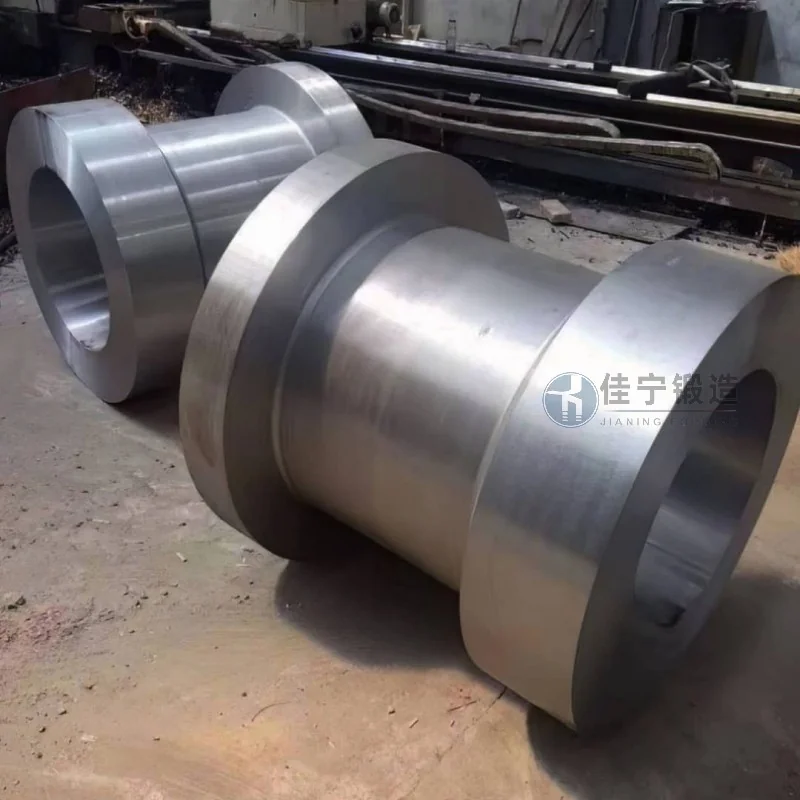
A transmission equipment factory in Anshun, Guizhou, due to a production line upgrade, needed to purchase high-performance cylinder forgings in bulk for the manufacturing of key transmission components. This forging must meet stringent mechanical properties and dimensional tolerance requirements, with tight delivery times. After undertaking this project, Jianing Forging successfully delivered qualified products through specialized technical evaluation and customized process solutions.
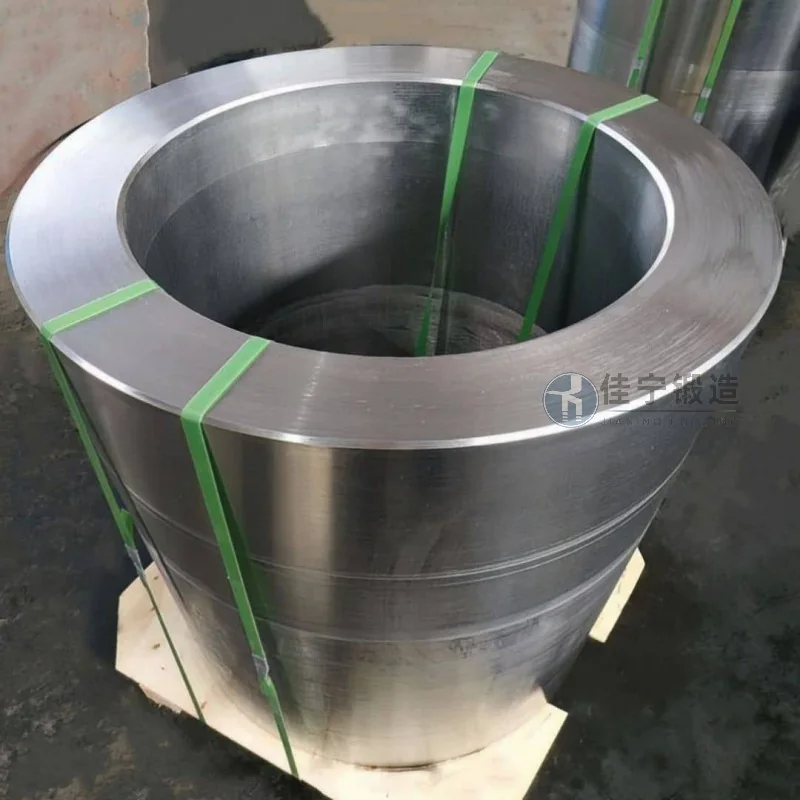
Customers face three major challenges: First, the wall thickness of the barrel forgings is relatively large, making conventional processes difficult to achieve internal tissue density, making looseness or microcracks prone to occurring; Second, the roundness and coaxiality of finished products must be controlled within 0.5mm, and traditional forging methods have a low yield rate; Third, the project duration is only 45 days, requiring simultaneous processing of multiple parts, which demands high production capacity and scheduling capabilities.
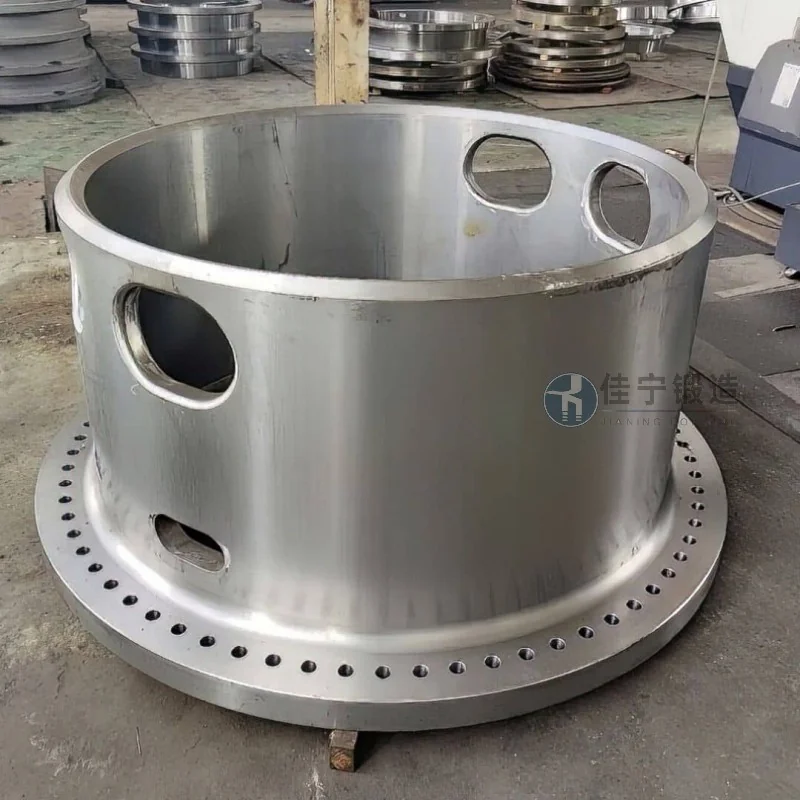
Jianing Forging addresses customer pain points by adopting three technical measures: first, it adopts multi-directional forging + temperature-controlled and pressure-controlled processes to refine grains and eliminate internal defects; Secondly, the introduction of CNC ring grinding machines allows for more accurate fire positioning, helping to stabilize the roundness of the cylinder; Finally, by optimizing mold design and heat treatment processes, the processing cycle for a single piece was reduced by 30%, and all deliveries were completed within 42 days, with a yield rate of over 98%. Customers reported that after using forgings, the equipment vibration value dropped by 15%, and operational stability improved.