Shanxi Jianing Forging has gathered real-world cases of wind power flange rings, ring gears, bearing rings, roller rings, and other ring landings, with a complete range of finished forging products for carbon steel, stainless steel, and alloy rings, providing reference for product selection and non-standard solutions.
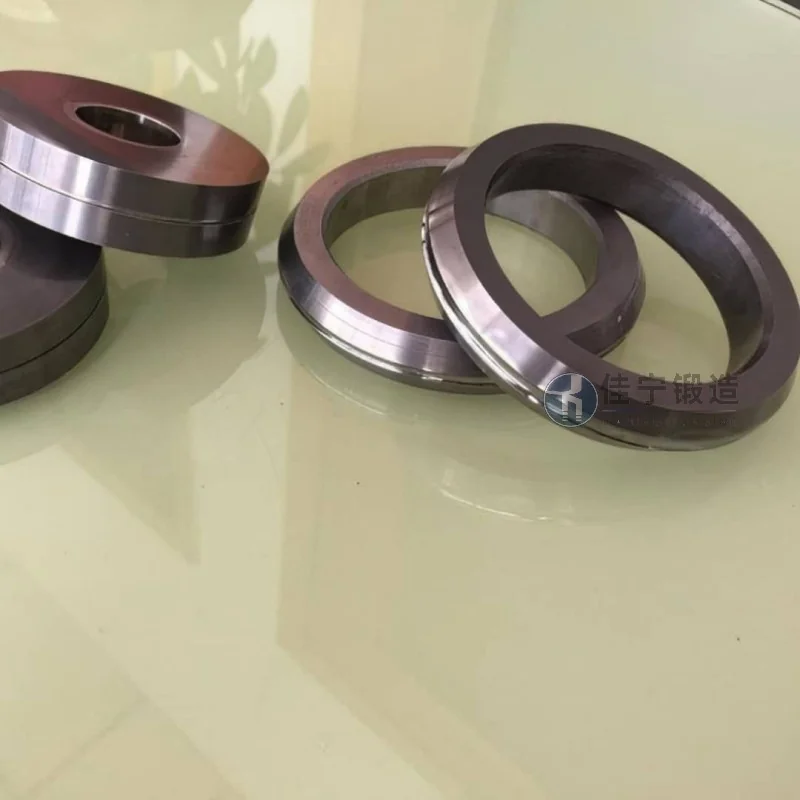
A wind power equipment factory in Taiyuan, Shanxi, set strict technical requirements for key load-bearing components—ring forgings—when producing large wind turbines. The plant required forgings with high consistency and good mechanical properties to help the fans operate continuously under harsh conditions. After multiple evaluations, Jianing Forging was ultimately selected as the ring forging supplier to jointly complete the supporting work for this batch of wind power equipment.
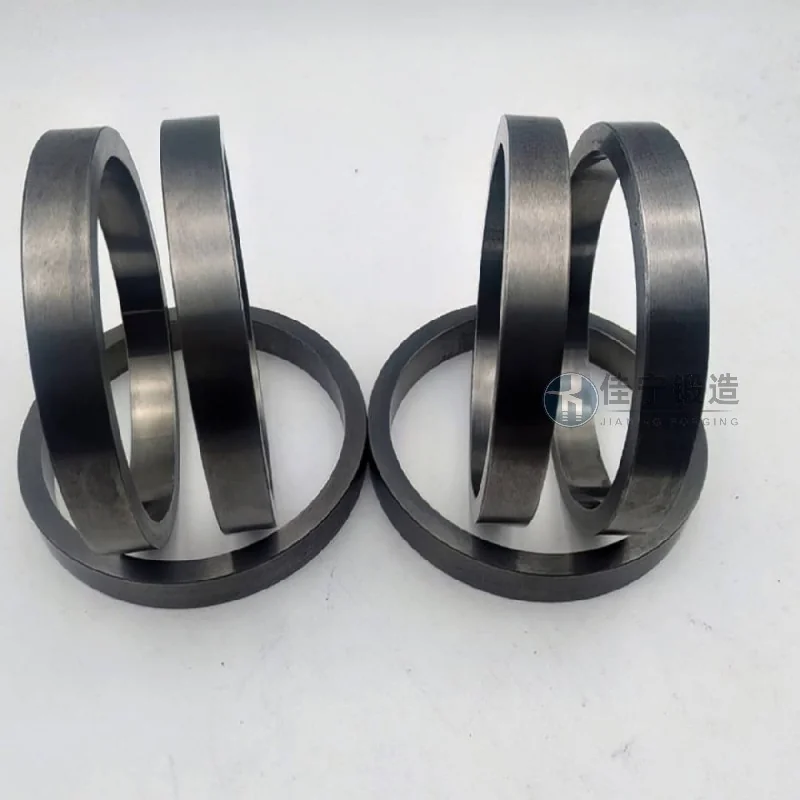
Customers faced multiple difficulties during the original procurement process: First, traditional forging processes led to insufficient internal structural uniformity of forgings, making subsequent processing prone to stress deformation; Second, during bulk supply, product dimensional tolerances fluctuate greatly, affecting the assembly efficiency of tower flanges; Third, the client's project schedule is tight, requiring suppliers to complete the entire process from raw materials to finished product delivery within a short timeframe, and to help each product pass nondestructive testing. In addition, customers have high requirements for low-temperature impact toughness of forgings to meet the winter installation environment in northern China.
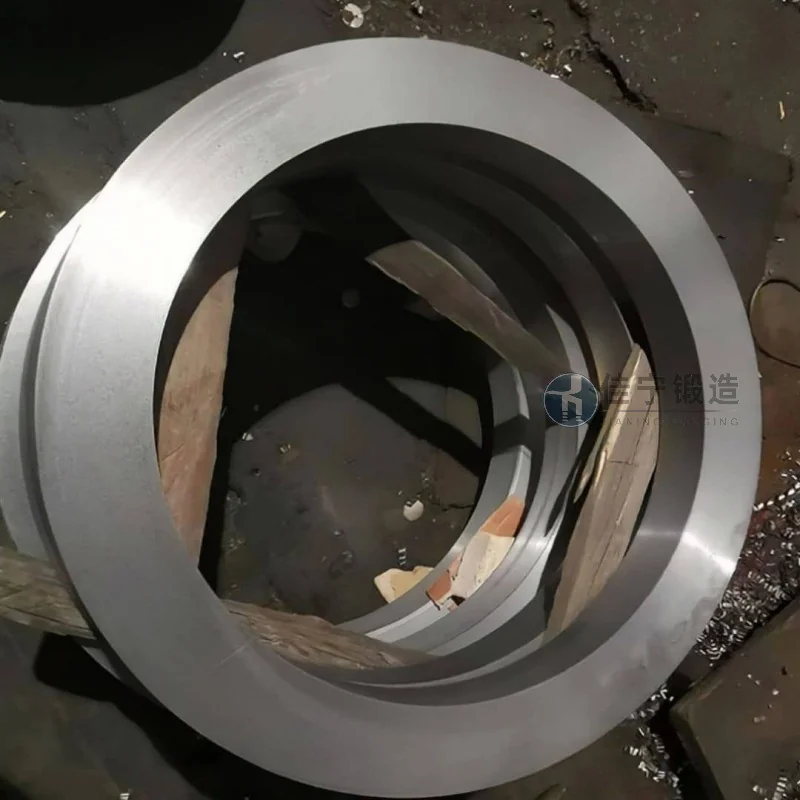
To address these pain points, Jianing Forging offers a customized solution: on the process side, it uses multi-heat temperature-controlled forging and preforming technology, which improves the density and uniformity of the forging's structure and reduces the risk of deformation during subsequent heat treatment. In terms of precision control, relying on fine molds and CNC grinding ring equipment, internal and external diameter tolerances are stably kept within industry standards, helping flanges to be smoothly connected on-site without modification. In terms of delivery capability, by optimizing production scheduling and raw material inventory management, the regular delivery cycle has been reduced by about 30%. At the same time, every ring forging undergoes multiple non-destructive tests such as ultrasound and magnetic particle testing, accompanied by a complete material report. To meet the requirements for low-temperature toughness, specific grades of alloy steel are selected and paired with refined grain heat treatment processes, ensuring stable performance even in -40°C environments.