Shanxi Jianing Forging has gathered real-world cases of wind power flange rings, ring gears, bearing rings, roller rings, and other ring landings, with a complete range of finished forging products for carbon steel, stainless steel, and alloy rings, providing reference for product selection and non-standard solutions.
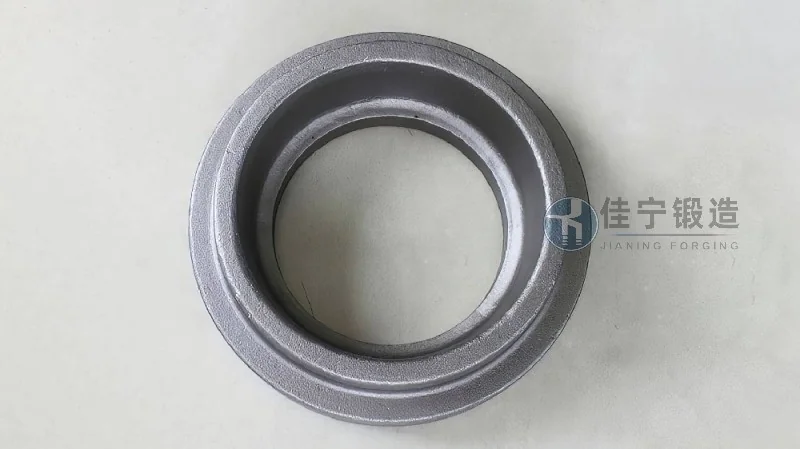
A wind power machinery factory in Weifang, Shandong, has long been engaged in the production and assembly of key components for wind power equipment. As a key foundational component of its transmission system and support structure, annular forgings have strict design requirements for dimensional accuracy, material strength, and fatigue life. During bulk procurement, the factory encountered practical issues such as insufficient supplier delivery stability and product consistency fluctuations, urgently needing to introduce forging manufacturers with systematic production and quality control capabilities.
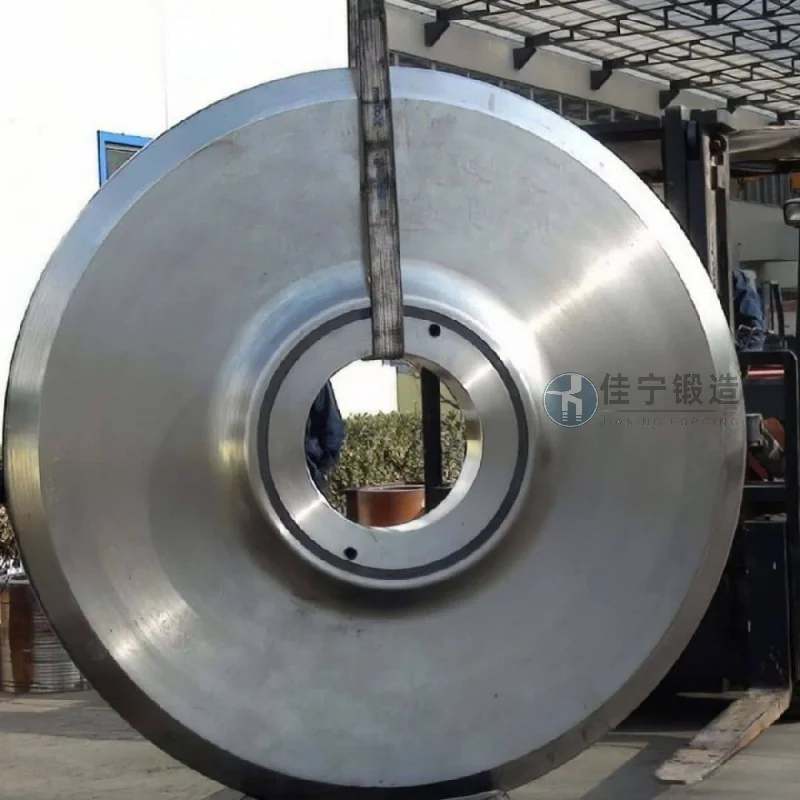
The wind turbine machinery factory's original ring forging supply chain faced the following difficulties: (1) Some batches had large inner and outer diameter tolerances, leading to uneven machining allowances and increasing the scrap rate; (2) Fluctuations in material mechanical properties, especially unstable toughness during low-temperature impacts, affecting the safe use of wind power equipment in complex environments; (3) Suppliers often delay deliveries, resulting in passive production line scheduling; (4) Lack of customized heat treatment processes for wind power conditions, insufficient control of residual stress in forgings, and prone to later deformation.
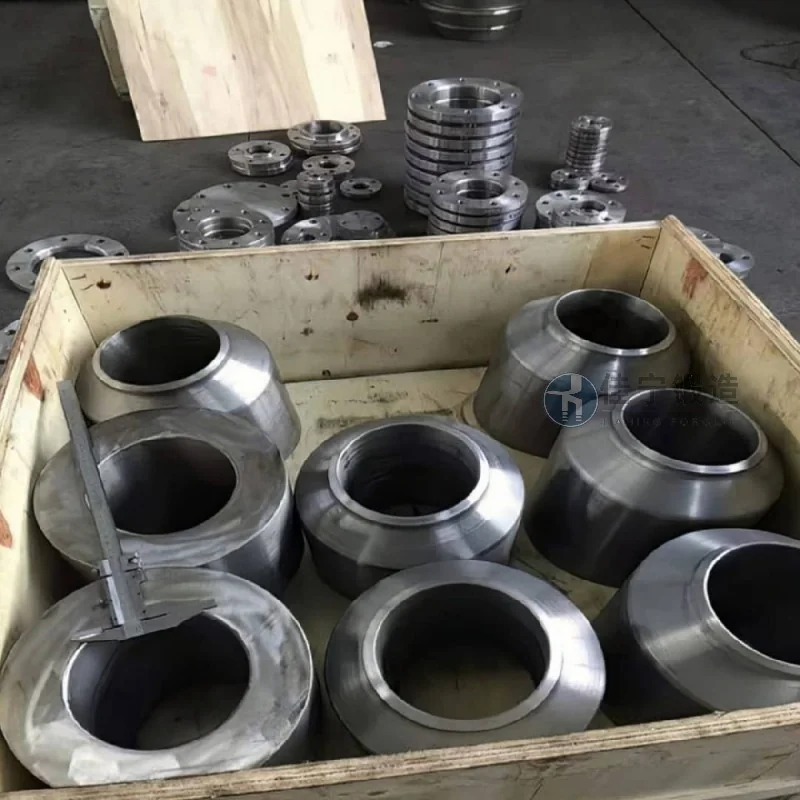
To address these pain points, Canin Forging provided the following systematic solutions for this project: First, by adopting fine ring forming technology combined with online dimensional monitoring during the process, the tolerances of the outer diameter, inner diameter, and height of the ring forgings are controlled within the customer's required 0.5mm, helping to ensure uniform blank allowances. Second, high-quality alloy structural steel (such as 42CrMo4) is selected, and the forging ratio and post-forging heat treatment curve are optimized to stabilize the material's tensile strength above 900MPa, with impact power ≥ 40J at -20°C, meeting the operational reliability requirements of wind power equipment. Furthermore, through dynamic production scheduling and early raw material stocking, it supports delivery of regular orders within 15 days and response to urgent orders within 7 days. Finally, based on the customer's provided working parameters, we customize quenching and tempering + flaw detection solutions, performing ultrasonic and magnetic particle inspections piece by piece to effectively eliminate internal defects and surface microcracks. After project delivery, the factory used multiple batches consecutively, increasing product qualification rates to 99.5% and machining efficiency by about 20%, earning full customer recognition.