Shanxi Jianing Forging can process large-diameter pressure vessel shell forgings made of carbon steel, stainless steel, and alloy steel. The station has a wealth of real-world cases of cylinder forging, fully demonstrating the forging capabilities of large-size cylinders and the corrosion-resistant results of finished products.
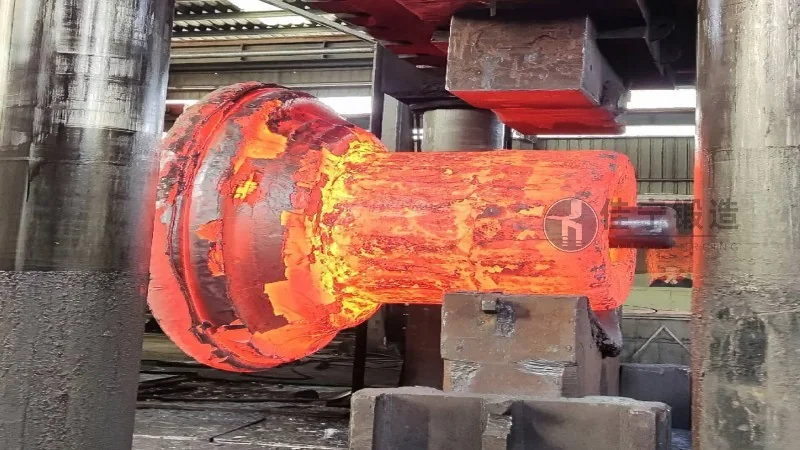
This case focuses on the tube forging project of a wind power accessories factory in Zhangzhou, Fujian. As a key link in the wind power industry chain, this factory sets high standards for the quality and delivery stability of tube forgings. At the early stage of the project, we communicated deeply with the client, clarified their supporting requirements for large-scale wind power equipment, and, based on our own technical expertise, developed a dedicated forging supply plan for them.
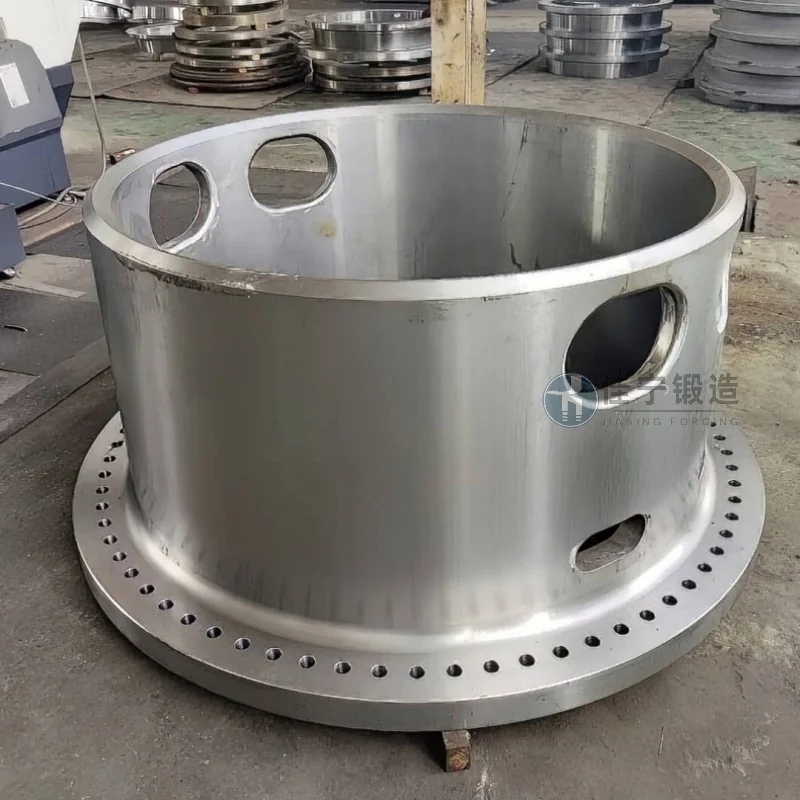
Customers face multiple challenges in the procurement of barrel forgings: on one hand, cylinders produced by traditional forging processes have internal uneven microstructure and fluctuations in mechanical properties, affecting subsequent machining efficiency and yield; On the other hand, wind power projects face tight schedules, and customers urgently need to shorten forging delivery cycles while controlling overall costs to avoid budget overruns caused by material waste or rework. In addition, customers have high requirements for dimensional accuracy and surface quality of forgings, hoping to reduce subsequent machining allowances to lower overall manufacturing costs.
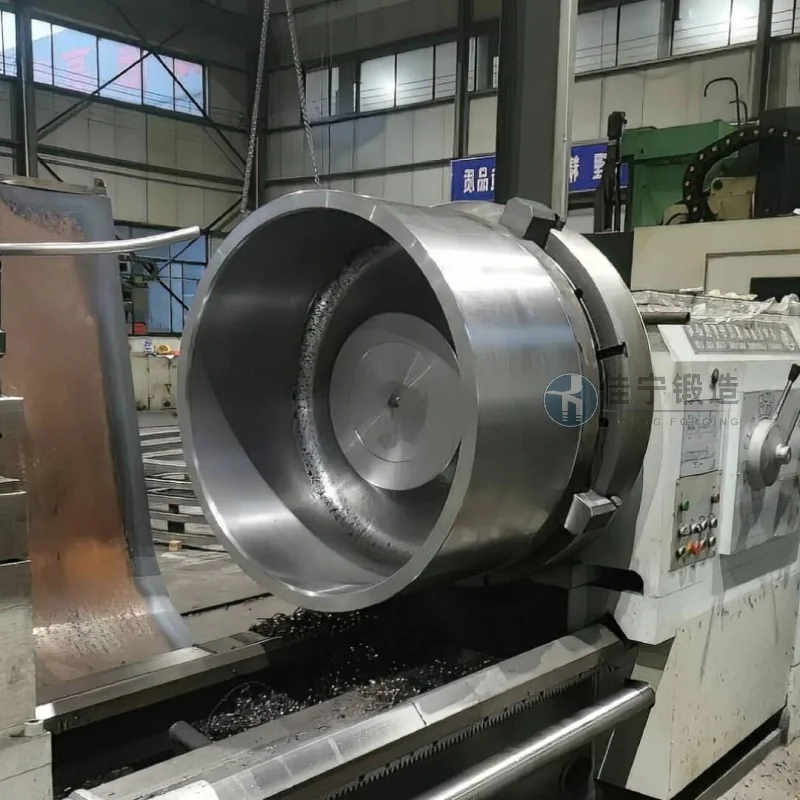
To address customer pain points, we rely on a mature forging technology system to provide customized solutions: using multi-directional forging processes to optimize metal flowlines, helping to make the internal structure of the cylinder uniform and dense, thereby enhancing mechanical stability; Through simulation, deformation trends are predicted in advance, machining allowances are strictly controlled, and near-net forming is achieved, reducing customers' subsequent machining time and material waste. At the same time, we have set up dedicated production schedules to reduce standard delivery cycles by more than 30%, and have equipped an independent quality inspection team to perform ultrasonic flaw detection and full dimensional inspection of each cylinder, helping outbound products meet customer technical agreement requirements. This series of initiatives has improved the customer's balance between quality, delivery time, and cost, helping their wind power accessories production line operate efficiently.