Shanxi Jianing Forging includes real-life engineering cases of tube sheets, flanges, and various round disc forgings. The finished products of carbon steel and stainless steel disc forgings are clearly photographed, directly reflecting the processing precision of the forgings and the effectiveness of pipeline compatibility.
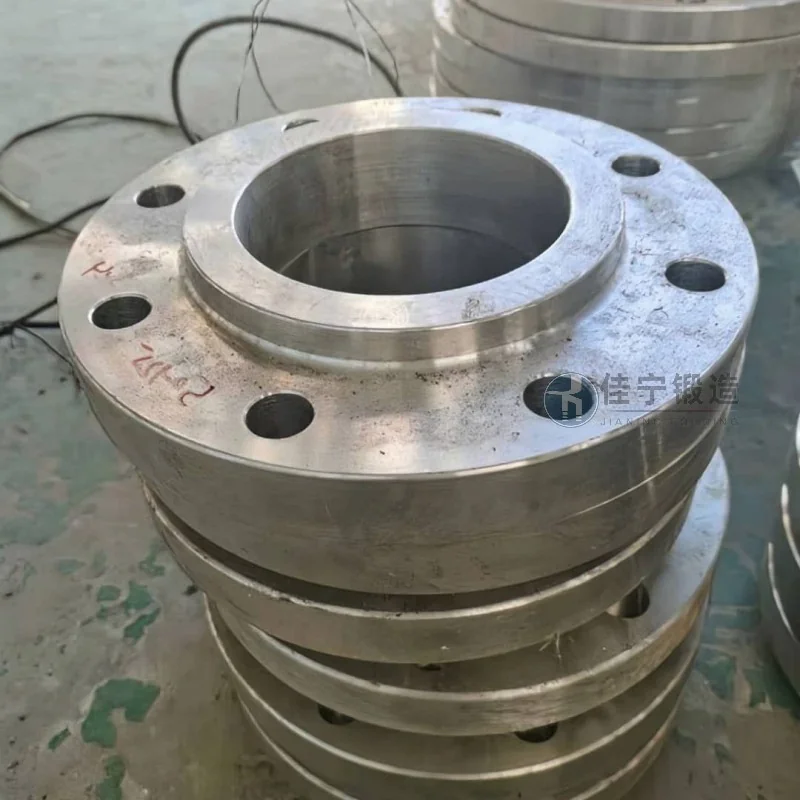
A hydraulic parts manufacturer in Fengxian, Shanghai, has long faced dual pressures of efficiency and quality in the processing of pan forgings. The disc forgings produced by this company are mainly used for key components of hydraulic systems, with high requirements for material density, dimensional accuracy, and surface integrity. The original process used traditional open-die forging, which not only had long production cycles but also had large fluctuations in finished yield, making it difficult to meet the growing demand for orders.
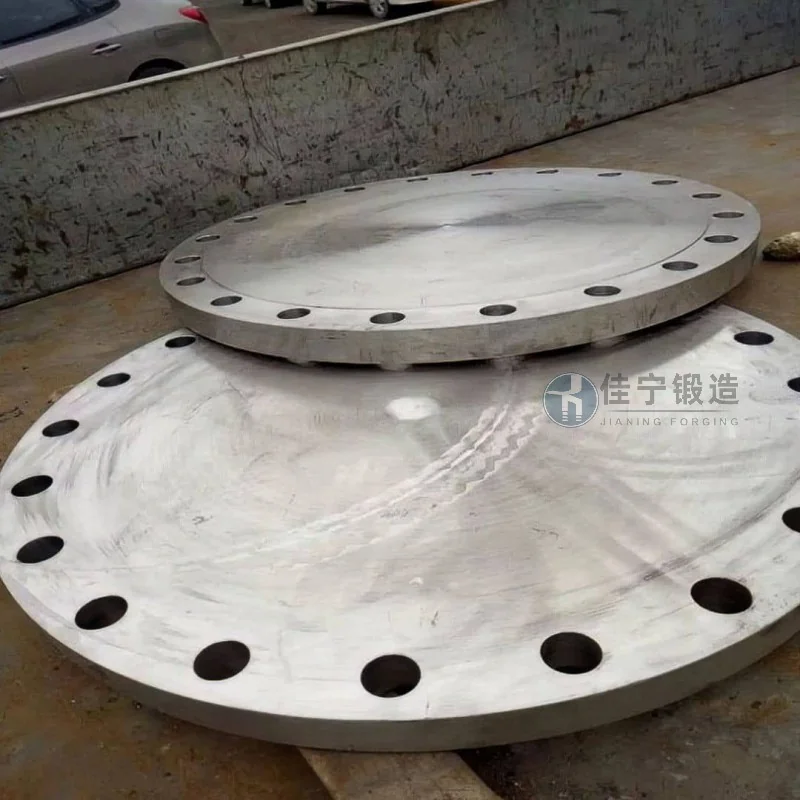
The company mainly encountered three issues during the manufacturing of pan forgings: first, low material utilization rate, with large burr margins under traditional processes, resulting in persistently high costs; Second, insufficient internal structural uniformity, with some forgings exposing microcracks or loose defects during subsequent processing, which affect product service life; Third, poor dimensional consistency during mass production, with outer diameter and thickness deviations between different batches exceeding tolerance ranges, causing frequent adjustments in subsequent machining. These pain points directly restrict companies' capacity improvements and customer satisfaction.
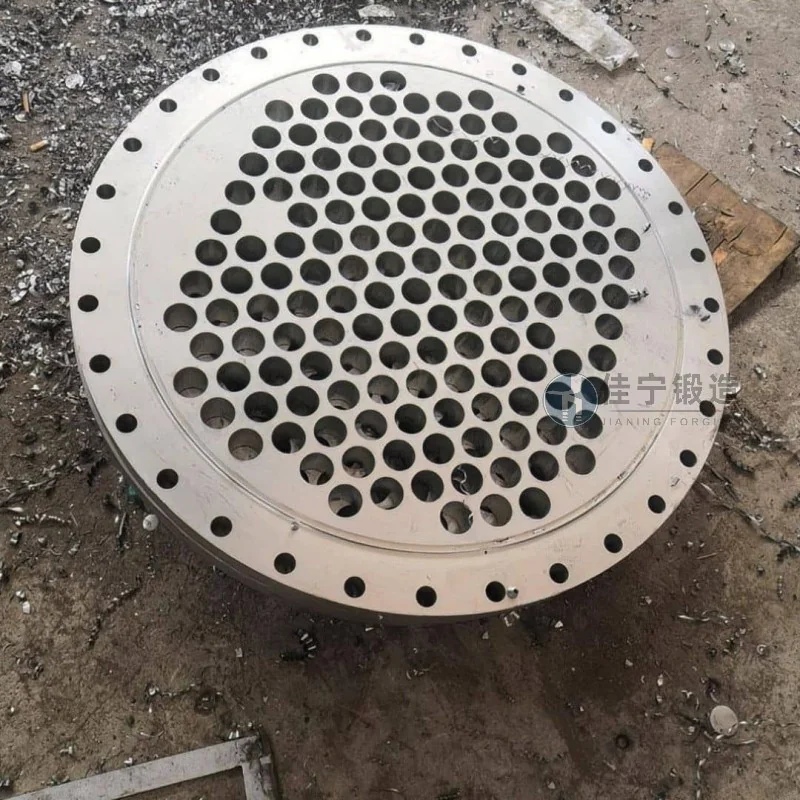
To address these issues, Jianing Forging has customized a dedicated disc forging die forging solution for the company. By optimizing mold cavity design and forging process parameters, near-net forming has been achieved, reducing material waste. At the same time, multi-directional die forging technology is used to reasonably distribute metal flow lines along the part contour, thereby improving the internal microstructural density and mechanical properties of the forging. In terms of dimensional control, with the help of fine molds and a stable temperature control system, the outer diameter tolerance is kept within ±0.3mm and the thickness tolerance within ±0.15mm, effectively supporting batch consistency. Additionally, by shortening the number of heating cycles and the die forging process, the production cycle for a single piece is reduced by about 30% compared to traditional methods, resulting in improved overall efficiency. This solution has been applied in batches at the company, with a stable yield at a high level, and customer feedback has been positive.