Shanxi Jianing Forging includes real-life engineering cases of tube sheets, flanges, and various round disc forgings. The finished products of carbon steel and stainless steel disc forgings are clearly photographed, directly reflecting the processing precision of the forgings and the effectiveness of pipeline compatibility.
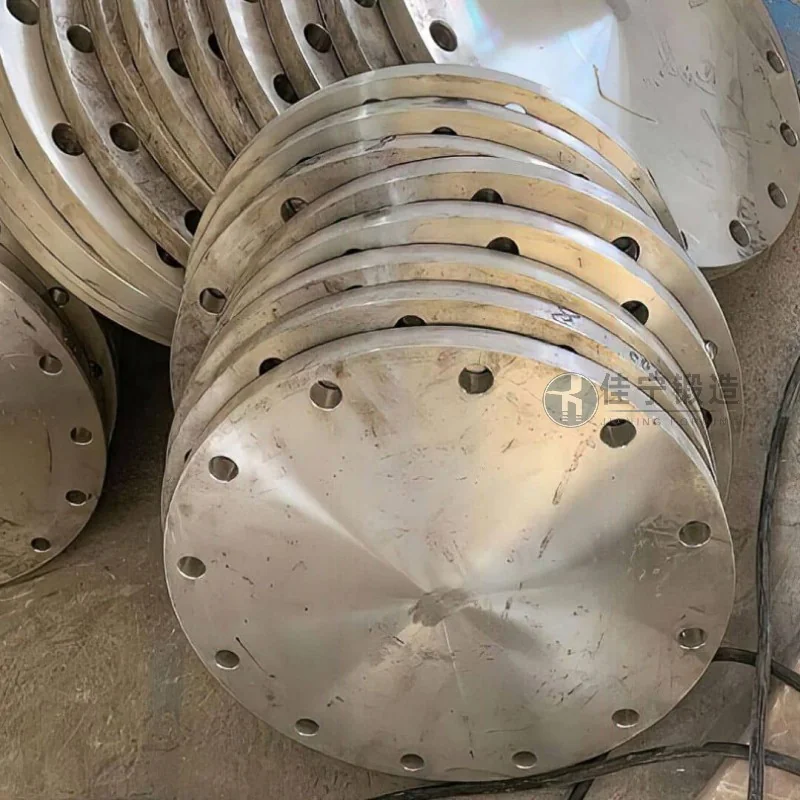
A wind power parts factory in Yiyang, Hunan, has long been engaged in the production and assembly of wind turbine component sets. In its core transmission system, disc forgings serve as key connectors that directly affect the safety and service life of the overall equipment. The factory encountered issues in its original supply chain such as insufficient internal microstructure density of forgings and large machining allowances, which led to higher subsequent machining costs and difficulty in controlling delivery cycles. To improve product quality and production efficiency, the factory seeks suppliers with mature forging manufacturing capabilities to collaborate.
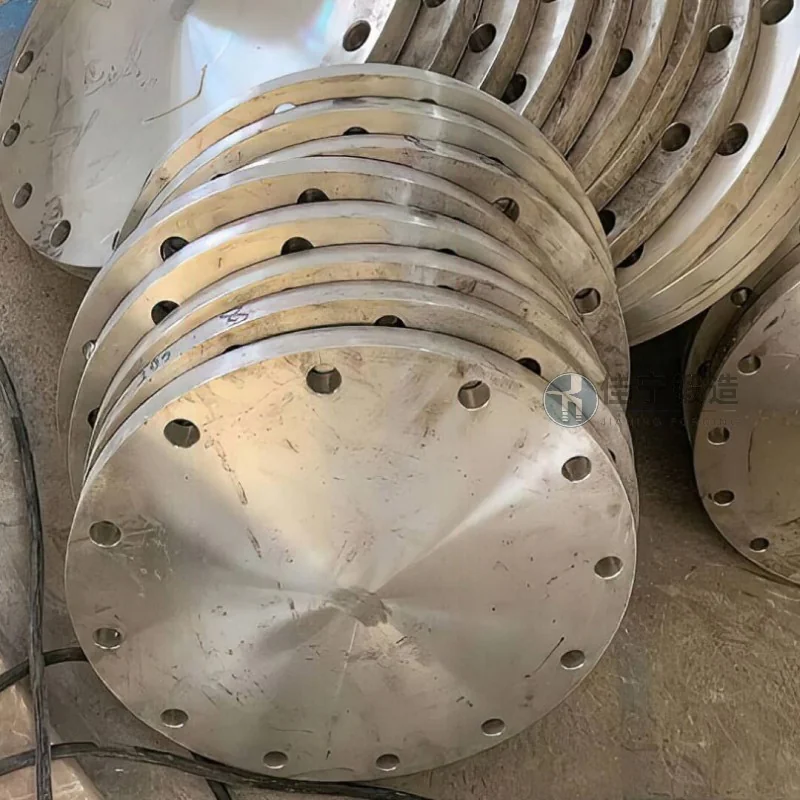
The customer set three clear requirements for disc forgings: First, there must be no cracks, interlayers, or other metallurgical defects inside the forging, which helps ensure continuous operation under complex loads; Second, dimensional tolerances must be kept within a small range to reduce subsequent finishing workload; Third, the delivery pace must be closely aligned with the assembly plan to avoid delays in forging supply that could affect overall assembly progress. In the original supply plan, due to limitations in forging processes and temperature control levels, the grain uniformity of forgings was difficult to support. Some batches exhibited end-face warping, and supply cycles fluctuated greatly, making it impossible to meet the demand for continuous production.
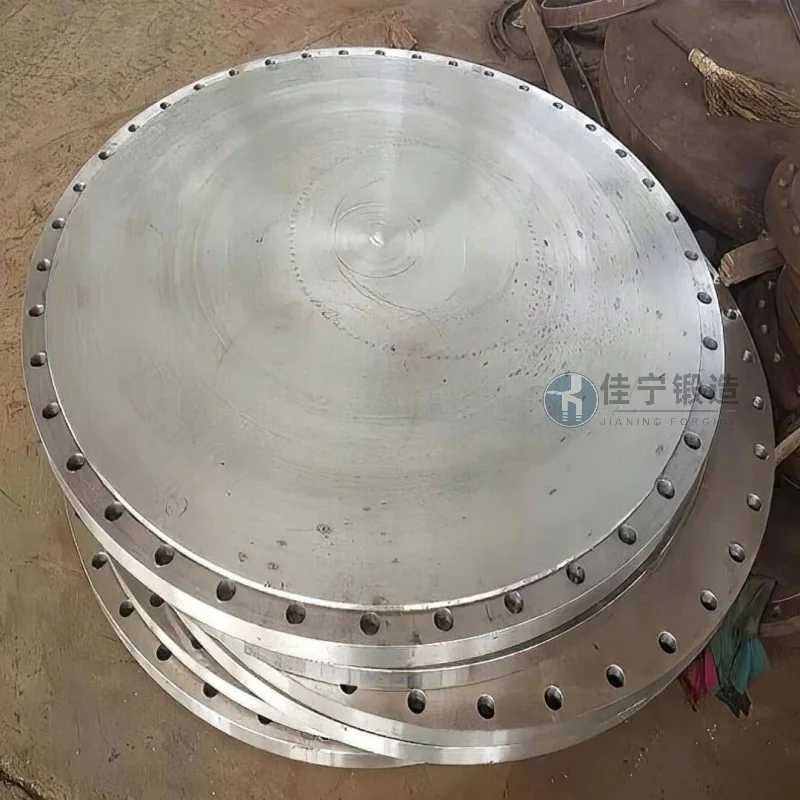
To address these pain points, our company (Jianing Forging), relying on years of experience in special forging manufacturing, provides targeted solutions through the following aspects:
Process optimization: By combining multi-directional forging and temperature-controlled forging, specialized dies are designed based on the wall thickness and diameter ratio of disc pieces, helping metal flow lines be reasonably distributed along the force direction and effectively eliminating internal holes and loose areas.
Fine temperature control: Using temperature control systems at the three key stages of heating, forging, and post-forging heat treatment narrows the temperature fluctuation range of billet to within 10°C, thereby supporting consistency in grain refinement and avoiding microstructure abnormalities caused by overheating or overheating.
Dimensional support: Using a high-rigidity hydraulic press combined with a laser distance measuring device to monitor forging height and outer diameter in real time, the post-forging allowance can be controlled within 1.5mm on one side, reducing subsequent turning time and tool wear.
Delivery Stability: Establishing a full-process traceability system from raw material warehousing to finished product shipment, combined with a dual-shift production system and pre-stockpiling of forging blanks, stabilizes single batch delivery cycles within 15 days, meeting customers' production plans at various stages.
Through these measures, the final delivered disc forgings met customer expectations in three indicators: hardness uniformity, end-face flatness, and flaw detection pass rate, providing strong support for the continuity and reliability of subsequent assembly of the plant's entire machine.