Shanxi Jianing Forging can process 304, 304L, 316, 316L stainless steel forgings, with a complete range of real-world cases of stainless steel flanges, shafts, and ring forgings, offering excellent corrosion resistance and suitable for chemical and seawater corrosion protection conditions.
In the field of marine engineering equipment, the reliability of core components directly affects equipment operation safety and maintenance costs. A certain seawater equipment heavy factory faces extreme working conditions of high salt spray and high humidity, imposing strict requirements on the stainless steel forgings it uses. With its mature stainless steel forging technology, Jianing Forging provided targeted solutions to help the customer improve the overall performance of their equipment.
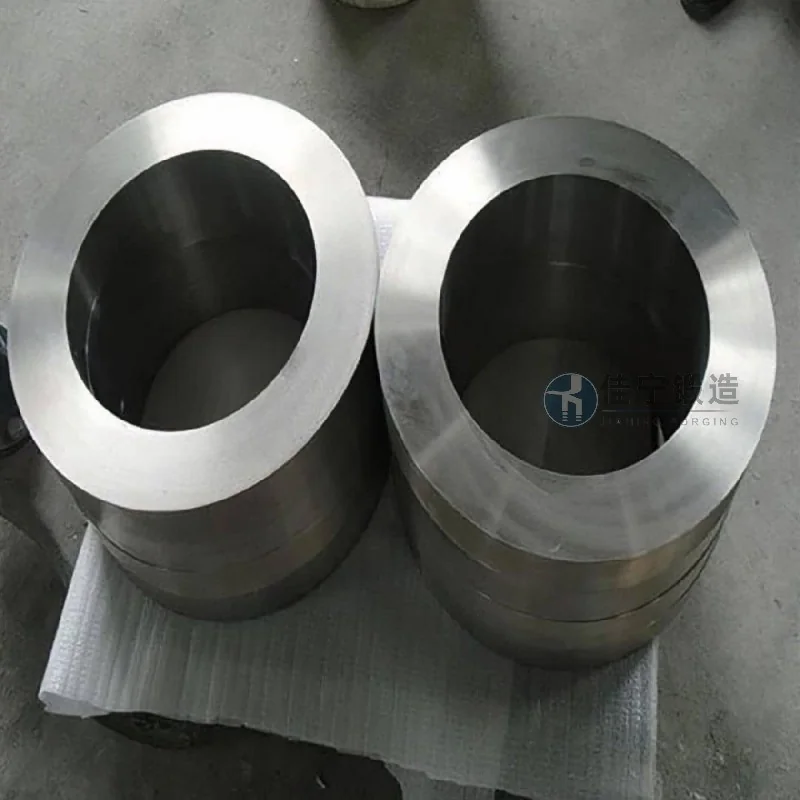
This cooperation is based on the stainless steel forging needs of a heavy seawater equipment factory, which has long been engaged in manufacturing heavy equipment such as seawater desalination and ship support, and has strict standards for corrosion resistance, mechanical strength, and dimensional accuracy of forgings. As a professional supplier of stainless steel forgings, Jianing Forging completes the entire process from material selection to finished product delivery according to customer drawings and working condition requirements.
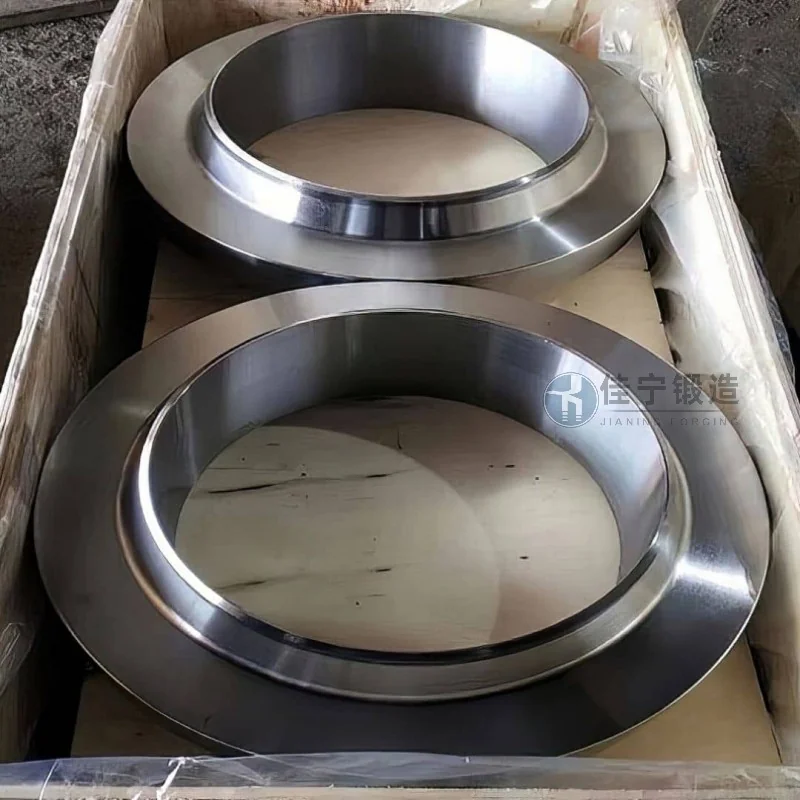
The customer encountered the following issues during the use of the original forgings: First, seawater conditions caused pitting and stress corrosion cracking on the stainless steel surface, seriously affecting equipment lifespan; Second, the internal structural uniformity of large forgings is insufficient, making cracks prone to formation under heavy loads; Third, traditional forging processes struggle to balance high-precision machining with rapid delivery, resulting in longer equipment assembly cycles.
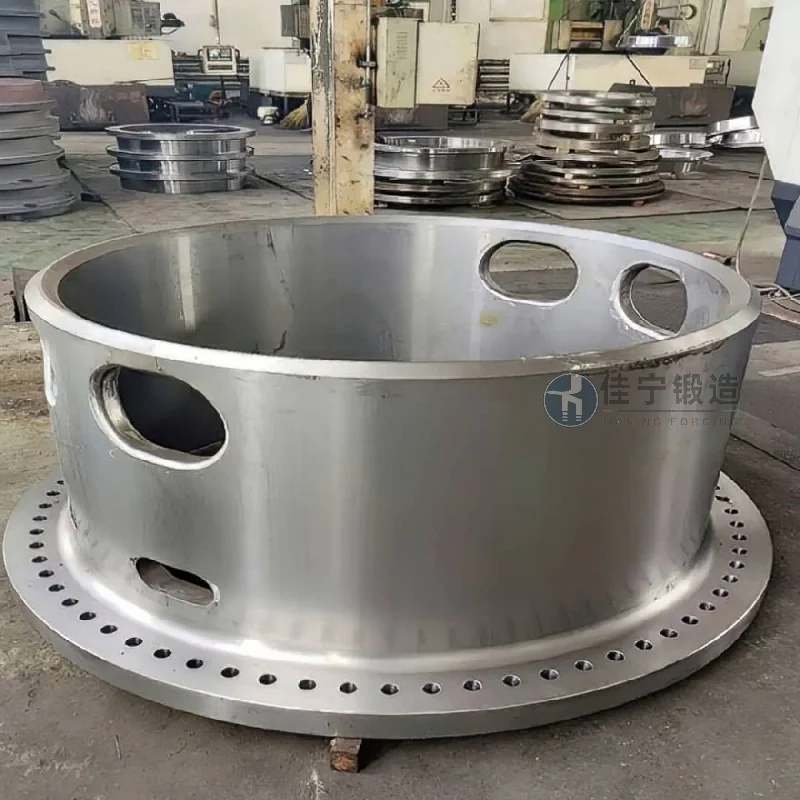
To address these pain points, Jianing Forging optimized solutions from three dimensions: First, selecting seawater-resistant stainless steel materials containing elements such as molybdenum and nitrogen, and improving corrosion resistance by precisely controlling heat treatment parameters; Second, multi-directional forging and microalloying technology are used to refine grain structure, keeping the longitudinal and transverse performance differences of forgings within 5%; Finally, the introduction of CNC machining centers and ultrasonic inspection processes helps achieve IT7 level dimensional tolerances for finished products, while shortening delivery cycles by 15%.