Shanxi Jianing Forging can process 304, 304L, 316, 316L stainless steel forgings, with a complete range of real-world cases of stainless steel flanges, shafts, and ring forgings, offering excellent corrosion resistance and suitable for chemical and seawater corrosion protection conditions.
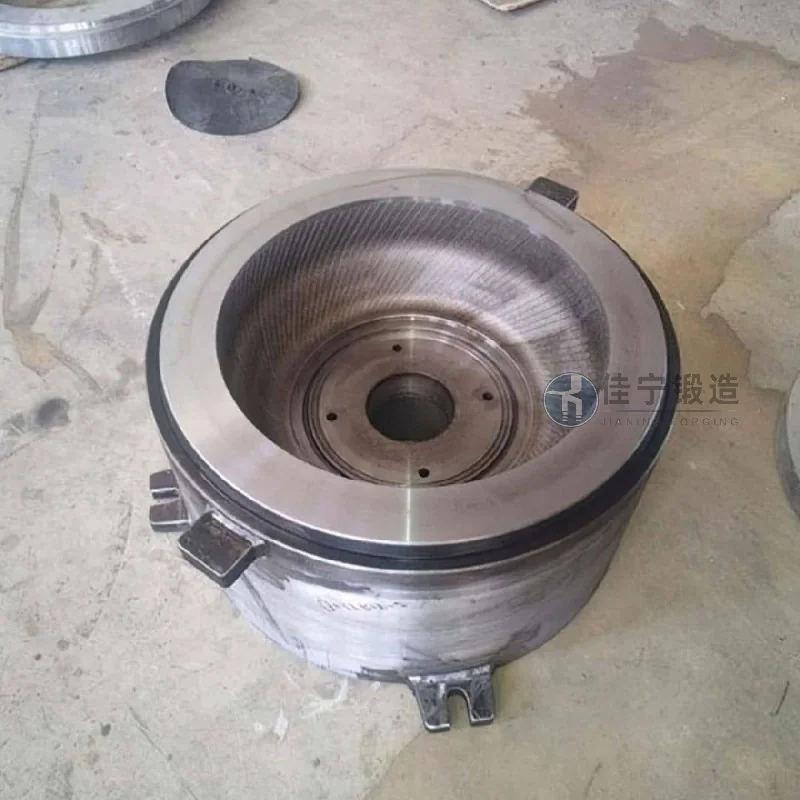
A food valve factory in Jiujiang, Jiangxi, has long purchased stainless steel forgings for the manufacture of key valve components. Due to the high standards for hygiene and corrosion resistance in the food industry, the company has strict requirements for forgings in material purity, machining precision, and surface finish. As the supplier of this batch of stainless steel forgings, Jianing Forging provided qualified products meeting food-grade requirements.
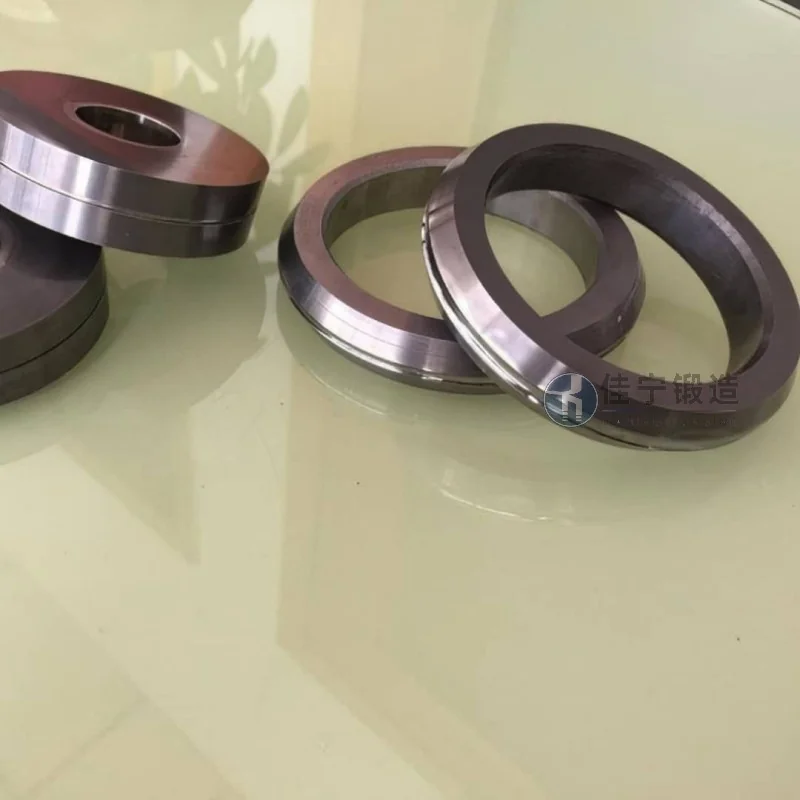
During actual production, the food valve factory faced multiple challenges: some suppliers provided forgings with component fluctuations, leading to pitting corrosion risks when valves are exposed to acidic or alkaline food media for extended periods; The internal structure of the forging is uneven, and microcracks appear after processing, affecting the valve's sealing performance; Unstable supply cycles often affect production line schedules. Additionally, the original multi-stage surface treatment process is inefficient, increasing subsequent cleaning and polishing costs.
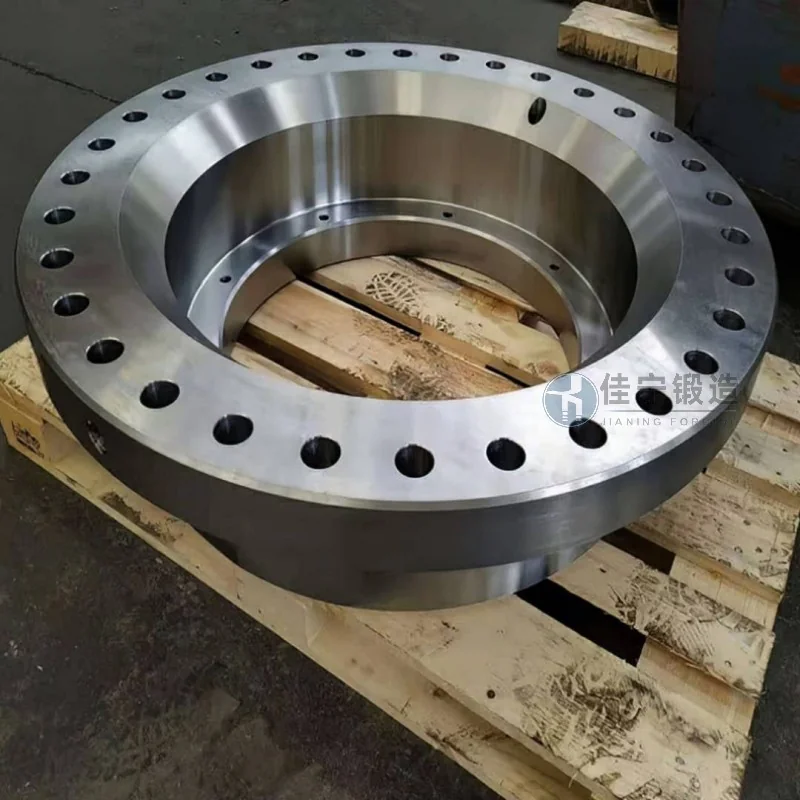
To address these pain points, Jianing Forging offers comprehensive solutions covering materials, processes, and delivery. In terms of materials, selecting high-quality stainless steel billets helps stabilize the composition across batches and complies with relevant food contact material standards. In terms of process, precision forging and temperature-controlled heat treatment technology are used to ensure uniform grain quality inside the forging, eliminate stress concentration, and improve corrosion and fatigue resistance. In the surface treatment stage, fine polishing and passivation processes are introduced to reduce surface roughness and minimize the risk of microbial adhesion. In terms of delivery, production scheduling and logistics scheduling have been optimized, reducing routine delivery cycles by about 30% to support customers' continuous production needs. After actual installation and verification by the customer, the forging's sealing and corrosion resistance met expectations, effectively reducing subsequent maintenance frequency.